Ajay Kumar

Quick answer: what should an agency look for in an AI marketing platform?
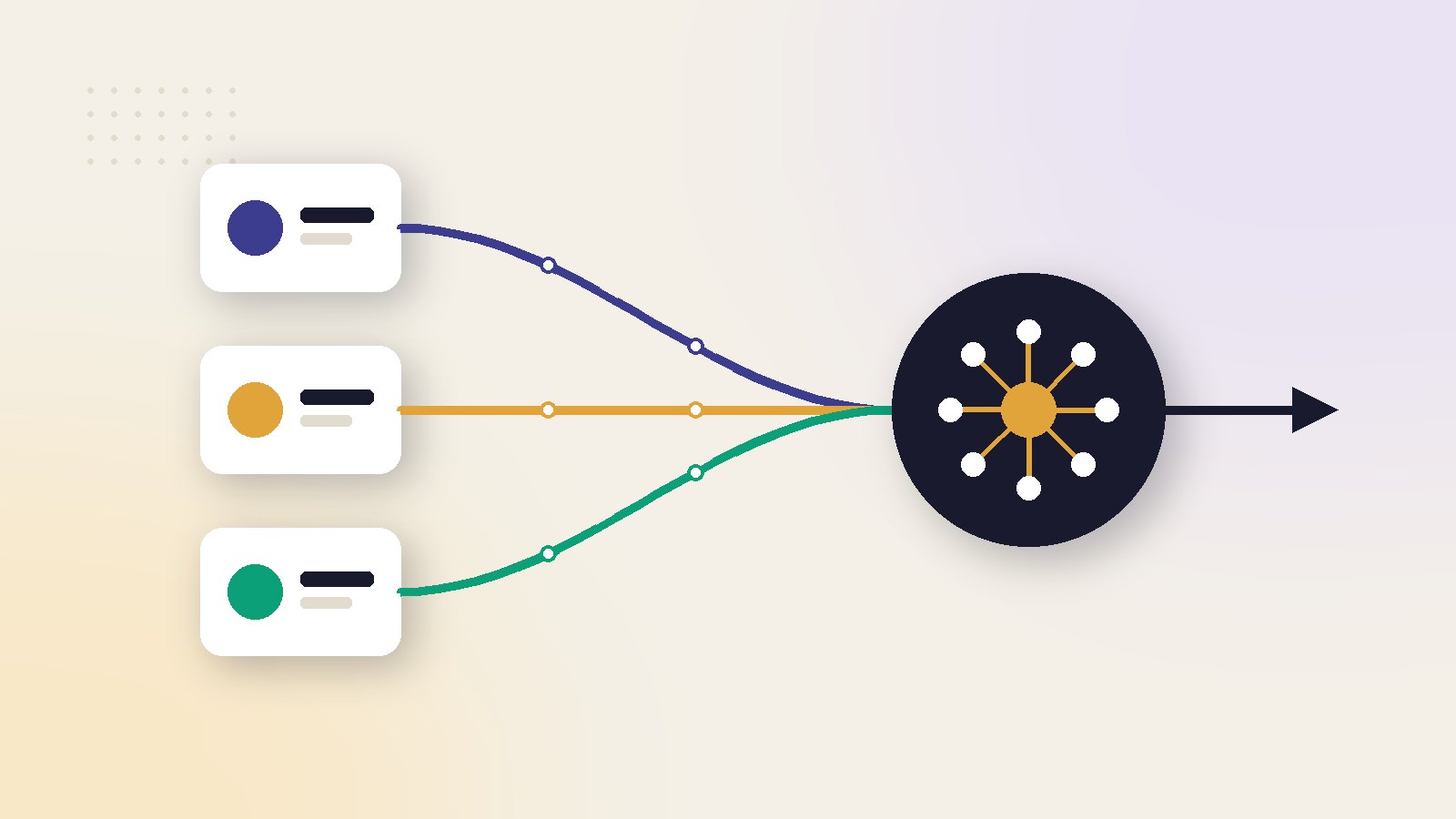
Look for one screen that ranks every client by urgency, strict separation of client data, access by role, rules and limits set per account, reports a client can read without a call, and pricing that does not punish you for adding clients. Judge it by how many more accounts each manager can run well.
Why agency needs are different
A brand logs in to look at one business. An agency manager starts the day with fifteen or twenty accounts and has to decide where to look first.
That changes what matters. Depth in a single account still counts. But the features that save an agency the most time are the ones that work across accounts.
The three agency problems
Attention
Which client needs me this morning? Without a ranked list, the answer is whoever messaged last.
Safety
One wrong budget in one account can cost a client relationship. The more accounts, the more chances for that mistake.
Proof
Clients pay for results and for confidence. Reporting takes hours that could go into the work itself.
For the wider field of platform types, see our guide to the best AI marketing platforms.
The multi-client features to check
Use this table in a demo. Ask to see each one working with at least three accounts connected.
| Feature | What good looks like | Question to ask |
|---|---|---|
| All-client view | Every account on one screen, sorted by urgency | What decides the order? |
| Client separation | No data or rules shared by accident | Can one client ever see another? |
| Roles | View, edit and approve are separate rights | Can a junior change budgets? |
| Rules per client | Targets and limits set for each account | Can I copy a rule set and adjust it? |
| Client reports | Scheduled, plain language, your branding | Can the client open it without a login? |
| Change log | Who changed what, when, in which account | How far back does it go? |
The all-client view
This is the screen you will live in. It should not list clients by name. It should list them by what needs action: spend with no results, budgets about to run out, tracking that stopped, a campaign ready for more budget.
Rules per client
A skincare brand with high margins and a furniture brand with low ones cannot share a target. The platform should hold a break-even return, a daily ceiling and an approval rule for each account. Copying a rule set to a new client and adjusting two numbers should take a minute.
Pacing across many accounts
Google can spend up to twice the average daily budget on a single day while keeping the month in line. Across twenty accounts, checking that by hand is slow. A platform should show month-to-date spend against plan for every client at once.
Meta notes that significant edits can restart the learning phase. A platform that caps each budget change, and applies the cap in every account, stops a tired manager from making a large change at 7 pm.
Access and safety across client accounts
You are holding the keys to other people's money. The setup should make mistakes hard.
- Connect through partner access. The client grants your agency access from their own Meta and Google accounts. They stay the owner.
- Give each person the least access they need. Most of the team only needs to view.
- Require approval for large moves. Any budget change above a set size waits for a senior yes.
- Set a ceiling per client. A total daily amount that can never be exceeded.
- Remove access on the day someone leaves. For staff and for clients who end the contract.
Why ownership matters
The ad account, the pixel and the history should belong to the client. If your agency owns them, a client who leaves loses everything, and you carry the risk for what runs there. Good platforms work with client-owned accounts.
When something goes wrong
It will, eventually. The change log is what turns a crisis into a five-minute fix. You can see what changed, reverse it, and tell the client exactly what happened.
The maths of capacity, with a worked example
An agency does not buy a platform to save money on software. It buys it so each manager can handle more accounts without quality falling.
Worked example: accounts per manager
Before the platform
These numbers are an illustration. A manager works 160 hours a month. Each client takes 16 hours: checks, changes, reporting and calls. So one manager handles 10 clients.
After the platform
Daily checks and reports become mostly automatic. Each client now takes 10 hours. The platform costs ₹2,000 per client a month. Each client pays a retainer of ₹30,000.
Clients per manager = monthly hours ÷ hours per client
Before: 160 ÷ 16 = 10 clients, ₹3,00,000 of retainers. After: 160 ÷ 10 = 16 clients, ₹4,80,000 of retainers, less ₹32,000 for the platform = ₹4,48,000.
The same manager brings in about ₹1,48,000 more each month. The software bill is small next to that.
Do not spend all the saved time on new clients
Some of the freed hours should go back into strategy and creative for existing clients. That is what keeps them. An agency that only adds accounts ends up with the same quality problem at a larger size.
Tools for specific agency jobs are covered in AI tools for marketing agencies.
Pricing models that suit agencies
How a platform charges matters more for an agency than for a brand, because you multiply it by every client.
Per account
Simple to pass on. You know the cost of each new client on the day you sign them.
Share of ad spend
Risky for agencies. A single large client can move your whole bill, and your margin on that client shrinks as they grow.
Tiers by number of accounts
Common in tools built for agencies. Optmyzr, a platform for PPC management, sells plans named Essentials, Premium and Enterprise. Check where the tier limits sit against your client count.
Who pays
Decide early whether the platform is part of your retainer or a separate line for the client. Either works. Changing it later is awkward.
For a closer look at this type of software, see AI ad optimization tools for agencies.
What agencies get wrong
Using one rule set for every client
It is quick to set up and wrong for most accounts. Margins, goals and seasons differ. Spend ten minutes per client on targets and limits.
Sending raw dashboards as reports
Clients do not want forty numbers. They want three: what was spent, what came back, and what you will do next.
Letting the platform talk to clients for you
Automated reports are useful. Automated explanations of a bad month are not. Bad news should come from a person, with a plan.
Skipping the trial with real accounts
A demo account always looks tidy. Connect three real clients, including your messiest one, before you decide.
ScaleWin, our own product, is a platform for Meta and Google Ads. The checklist above is written to be used on any platform, including ours.
Rolling it out without disrupting clients
Introduce a platform in stages, so that no client notices anything except better reporting.
Start with three accounts
Choose one large, one small and one difficult client. Run the platform in view-only mode for two weeks and compare its alerts with what your team found by hand.
Then turn on reporting
Replace manual reports first. This is where the hours come back fastest and the risk is lowest.
Then allow small actions
Enable pausing and small budget changes inside limits, one client at a time. Keep approval on for anything large.
If you are building an agency around this way of working, our guide to starting an AI marketing agency covers the business side.
Read next in this series
- AI Marketing Platform ROI: How to Measure It Without Fooling Yourself
- Moving From an Agency to an AI Marketing Platform: A Step-by-Step Checklist
- Best AI marketing platforms compared
- What an AI marketing platform is and the features that matter
- AI marketing platform for Meta and Google Ads
- All-in-one AI marketing platform vs point tools
- AI marketing platform for Shopify: what to look for
- How an AI marketing platform reads your ad data
- AI marketing platform pricing: what you really pay
Key takeaways
- The core need is one view of all clients, sorted by what needs attention today.
- Client data must stay separate, with access by role and a log of every change.
- Rules and limits should be set per client, because margins and goals differ.
- Reports should be ready to send, in plain language, under your own brand.
- Measure the platform by capacity: accounts handled well per manager.
Ai marketing platform: frequently asked questions
How is a platform for agencies different from one for brands?
Who should own the ad accounts, the agency or the client?
Can a platform replace account managers?
Which pricing model is best for an agency?
How should an agency test a platform?
Sources
- Optmyzr: PPC management platform
- Google Ads Help: About average daily budgets and spending limits
- Meta Business Help Centre: About the learning phase

Ajay is the founder of ScaleWin. He works hands-on with Meta Ads, Google Ads and SEO for Indian D2C and service brands, and built ScaleWin so that the daily work of a performance marketer - reading numbers, pausing losers, scaling winners - happens automatically.
Drafted with AI assistance. How these articles are written
Let ScaleWin read your ad data every day
ScaleWin checks your Meta and Google Ads daily, judges every ad on profit and tells you exactly what to change.
Start free, no card