Ajay Kumar

Quick answer: all-in-one platform or separate tools?
Choose one platform when your team is small, your data sits in a few places and nobody has time to connect tools. Choose separate tools when one job, such as creative or email, needs real depth. Most brands end up with one core platform plus one or two specialist tools.
What the two setups really are
A point tool does one job. An image generator, a caption writer, an email sender and a report builder are all point tools. You buy each one for what it is best at.
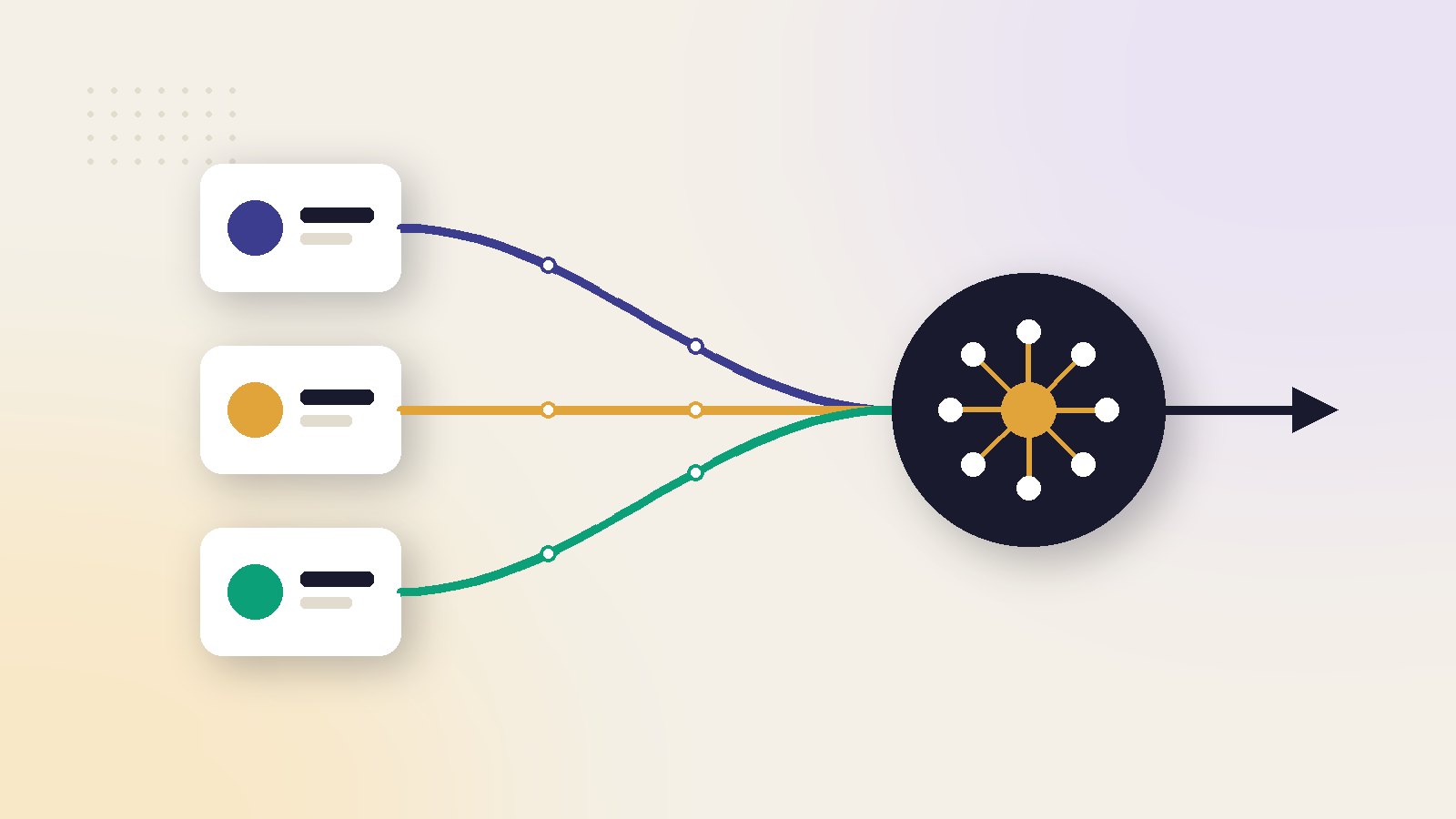
An all-in-one platform tries to cover several jobs on shared data. HubSpot, for example, keeps marketing, sales and service on one customer record and describes its Agent Hub as the home for AI agents that work on that data.
Most brands already run a mix
The built-in layer
If you sell on Shopify, Sidekick is already there. Meta and Google have their own automation too.
The specialist layer
An email platform such as Klaviyo, a WhatsApp platform such as Wati, a design tool, a video tool.
The glue
Spreadsheets, exports and the person who joins it all together on Monday morning.
The real question is how much glue you can afford. For the types of platform and named examples, see our guide to the best AI marketing platforms.
Side by side
| Factor | All-in-one platform | Stack of point tools |
|---|---|---|
| Depth in one job | Good enough | Best available |
| Data in one place | Yes, by design | Only if you connect it |
| Time to run | Low | Higher, grows with each tool |
| Monthly bill | One larger bill | Many small bills |
| Learning curve | One product to learn | One per tool |
| Leaving later | Harder | Easy, one tool at a time |
Where a platform wins
Shared data is the main prize. When ads, orders and customer messages sit together, the AI can answer questions that no single tool can. Which campaign brings customers who buy again? Which products are advertised but out of stock?
Where point tools win
Depth. A dedicated email platform usually has better flows than the email module of a general platform. Klaviyo's pricing shows a free plan to start on, which makes it easy to test a specialist before paying.
What the bill hides
Many small bills feel cheaper than one large one, because no single charge looks serious. Add them once a quarter. Brands are often surprised to find that five or six small subscriptions together cost more than the platform they thought was too expensive.
What the learning curve costs
Every tool has its own screens, words and settings. A new teammate has to learn each one. With a single platform, training takes days. With eight tools, it can take weeks, and knowledge leaves when that person does.
For each job, ask: do we need the best, or is good enough fine? Most brands need the best in one or two jobs and good enough in the rest.
The real cost, with a worked example
Subscriptions are easy to compare. Time is not, and it is usually the larger number.
Worked example: five tools or one platform
The two setups
These numbers are an illustration, not quoted prices. Setup A is five point tools at an average of ₹2,500 a month each. Setup B is one platform at ₹15,000 a month.
Adding the time
With five tools, someone spends about five hours a week moving data between them and checking that the numbers agree. With one platform that falls to about one hour. An hour of that person's time costs the business ₹800.
True monthly cost = subscriptions + (weekly hours × hourly cost × 4.3)
Setup A: ₹12,500 + (5 × ₹800 × 4.3) = ₹29,700. Setup B: ₹15,000 + (1 × ₹800 × 4.3) = ₹18,440.
On subscriptions alone, the stack looks ₹2,500 cheaper. With time included, the platform is about ₹11,000 cheaper each month.
When the sum goes the other way
If you use only two tools and they need no joining, the stack wins easily. The time cost appears when tools must share data. Count your tools and the hours honestly before you decide. Our guide to free vs paid AI marketing tools covers where free plans stop being enough.
How to decide in four steps
- Count your data sources. Ad accounts, store, email list, WhatsApp, support inbox. Three or more that need to be read together points to a platform.
- Name your one deep job. The job where average is not acceptable. Keep a specialist tool for that.
- Add up weekly tool hours. Logins, exports, fixing mismatched numbers. More than three hours a week is a strong sign.
- Check the exit. Before you commit, confirm you can export your data and how long a contract runs.
By team size
One or two people
Choose a platform for the core work. You do not have the hours to act as the glue.
A small team with a specialist
A core platform plus that specialist's preferred tool.
A larger team
Specialist tools can make sense, with someone responsible for keeping data joined.
Messaging is a good example of a specialist worth keeping. Wati's pricing page lists plans in rupees starting at ₹2,699 a month, and WhatsApp is often where Indian customers reply first.
What brands get wrong in this choice
Buying a platform and keeping every old tool
The saving only arrives when you switch tools off. List what the platform replaces and cancel those within a month.
Believing one product does everything well
No platform is the best at ads, email, creative and support at once. Ask the seller which job they are strongest in, and plan a specialist for your deep job.
Choosing by the cheapest subscription
A free tool that costs three hours a week is not free. Use the true cost formula above.
Ignoring how hard it is to leave
The more of your data and history lives in one product, the harder a move becomes. That is acceptable if exports are simple. Check before you sign, not when you are unhappy.
ScaleWin, our own product, is a platform focused on Meta and Google Ads. By the logic of this article, it is a core platform for ads that works alongside specialist tools for email or creative.
The setup most brands settle on
After a year or two, most growing brands arrive at the same shape. One core platform sits where most of the money is spent, which for many online brands is ads. One or two specialists handle the jobs that need depth. Everything else uses the built-in features of the store and the ad networks.
Moving from a stack to a core platform
Do it in stages. Connect the platform first and run it beside your current tools for two weeks. Check that its numbers match your own records. Then switch off the tools it replaces, one at a time, starting with reporting. Keep exports of anything you may need later, such as old reports or customer lists.
This keeps the bill and the tool hours low, while leaving room for excellence where it pays. A good next read is what an AI marketing platform is and the features that matter, so that the core you choose is a real platform and not a dashboard.
If you are building the wider stack for a team, see AI tools for marketing teams for a channel-by-channel view.
Read next in this series
- AI Marketing Platform ROI: How to Measure It Without Fooling Yourself
- Moving From an Agency to an AI Marketing Platform: A Step-by-Step Checklist
- AI Marketing Platforms for Agencies: The Multi-Client Features That Matter
- AI Marketing Platform Pricing: What You Really Pay in a Year
- How an AI Marketing Platform Reads Your Ad Data, Step by Step
- AI Marketing Platform for Shopify: What to Look For Before You Connect Your Store
- Best AI Marketing Platforms in 2026
- What Is an AI Marketing Platform?
- AI Marketing Platform for Meta and Google Ads
Key takeaways
- An all-in-one platform saves joining work. Point tools give more depth in one job.
- The biggest cost of a tool stack is time: logins, exports and numbers that do not match.
- The biggest risk of one platform is being average at everything and hard to leave.
- Decide by counting your data sources and the hours your team can spend on tools.
- A core platform plus one or two specialists is the setup most growing brands settle on.
Ai marketing platform: frequently asked questions
What is a point tool?
Is an all-in-one platform cheaper than separate tools?
What is the main risk of an all-in-one platform?
How many tools is too many?
Can I mix a platform with specialist tools?
Sources

Ajay is the founder of ScaleWin. He works hands-on with Meta Ads, Google Ads and SEO for Indian D2C and service brands, and built ScaleWin so that the daily work of a performance marketer - reading numbers, pausing losers, scaling winners - happens automatically.
Drafted with AI assistance. How these articles are written
Let ScaleWin read your ad data every day
ScaleWin checks your Meta and Google Ads daily, judges every ad on profit and tells you exactly what to change.
Start free, no card