Ajay Kumar
Quick answer: what does an AI marketing platform really cost?
The listed monthly price is only the start. Add tax, extra accounts or users, usage above plan limits, setup help, and the higher tier you will reach as you grow. Work out the full cost for twelve months at your current size and at double, then compare platforms on that number.
The five pricing models
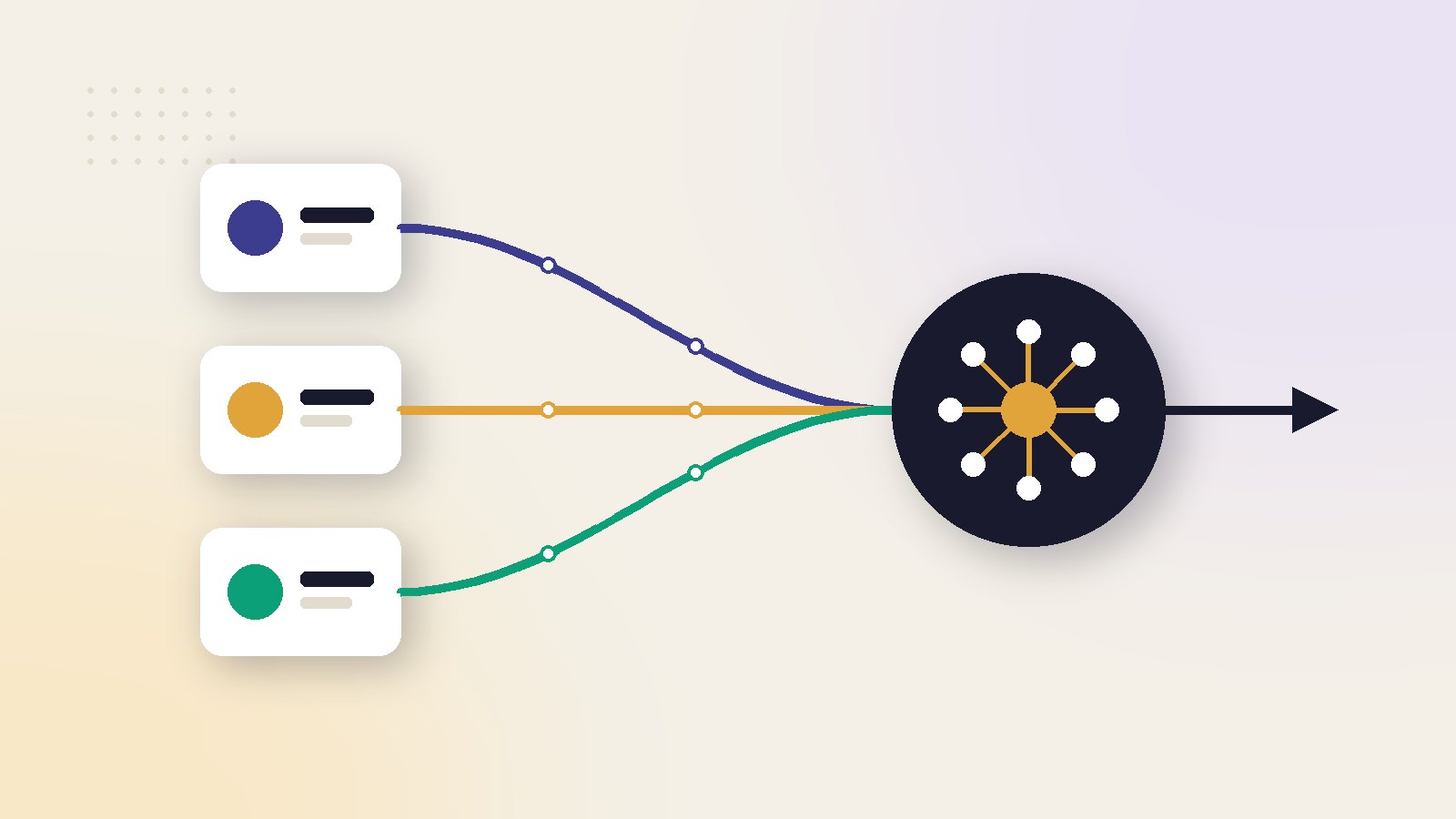
Almost every product in this category uses one of five models, or a mix of two.
| Model | You pay for | Suits | Watch for |
|---|---|---|---|
| Flat fee | Access, whatever your size | Brands planning to grow | Limits hidden in the small print |
| Tiers by revenue | The band your sales fall in | Stable brands | A jump in price after one good month |
| Share of ad spend | A percentage of what you spend | Small budgets | Cost rising with every budget increase |
| Per account or seat | Each ad account or user | Agencies and teams | Needing one more seat than planned |
| Usage credits | Each report, image or message | Occasional use | Heavy months that cost far more |
How real products are set up
Tiers
Triple Whale's pricing page lists plans named Free, Foundation, Automate and Enterprise. The plan you need depends on your store's size and the features you want.
Ad spend
Madgicx's pricing rises with your monthly ad spend. That keeps the entry price low and means the bill grows as you scale.
Contacts and messages
Klaviyo's pricing has a free plan and then rises with the number of contacts and messages. Wati's pricing page lists rupee plans at ₹2,699, ₹5,799 and ₹16,799 a month.
For what each of these platform types does, see our comparison of the best AI marketing platforms.
The lines that appear later on the bill
None of these are tricks. They are simply easy to miss when you compare headline prices.
Tax
In India, GST of 18% applies to software subscriptions. A registered business can usually claim it back. A small unregistered one cannot, so for them it is a real cost.
Foreign currency billing
Many platforms bill in a foreign currency. Your card adds a conversion charge, and the rupee amount changes every month with the exchange rate.
Extra accounts, stores and users
The base plan often covers one store and a few users. A second brand or two more teammates can move you up a tier.
Overage
Usage plans include a set number of credits, messages or orders. Go over, and you pay a higher rate for the extra, or you are moved to the next plan automatically.
Setup and support
Guided setup, a named account manager and faster support are often paid add-ons or reserved for higher plans.
Find the sentence that says what happens when you pass a plan limit. Some platforms upgrade you automatically and keep you there, even if the next month is quiet.
Our guide to AI marketing tools with rupee pricing lists products that bill in rupees.
A full-year cost, worked through
Put every line in one sum. The result is often far from the headline.
Worked example: the real cost of a ₹10,000 plan
The listed price
These numbers are an illustration, not a quote from any product. A platform lists ₹10,000 a month. You assume ₹1,20,000 a year.
What gets added
GST adds 18%. A second store adds ₹3,000 a month. One-time setup help costs ₹15,000. In month seven your sales pass the plan limit and the price rises to ₹16,000 for the last six months.
Year cost = (monthly fees + add-ons) × 1.18 + setup × 1.18
Fees: 6 × ₹10,000 + 6 × ₹16,000 = ₹1,56,000. Add-on: 12 × ₹3,000 = ₹36,000. With GST: ₹1,92,000 × 1.18 = ₹2,26,560. Setup with GST: ₹17,700. Total: ₹2,44,260.
The real figure is about twice the ₹1,20,000 you first assumed. If you can claim GST back, it is still ₹2,07,000.
Now compare it with the return
A cost only means something next to what it brings. If the platform saves ₹15,000 of wasted ad spend and ten hours of work each month, ₹2,44,260 a year can be a good deal. If it saves nothing, even a free plan is expensive. The full method is in what AI advertising really costs.
How to compare two quotes fairly
- Write down your numbers. Monthly sales, ad spend, stores, ad accounts and users, today and expected in a year.
- Ask for the total in writing. At your current size and at double, with every add-on you will need.
- Add tax and currency charges. Use 18% GST and your card's conversion fee where they apply.
- Build the twelve-month sum. Include the month you expect to move up a tier.
- Set it against the gain. Money saved, extra profit and hours freed, valued in rupees.
A simple rule for what you can afford
As a rough guide, tools should be a small slice of what you spend on ads. If a platform would cost more than about a tenth of your monthly ad budget, it has to save or earn a lot to pay for itself. A brand spending ₹1 lakh a month on ads should think hard before paying ₹15,000 a month for software. A brand spending ₹10 lakh can justify far more, because a small percentage improvement is worth much more in rupees.
Monthly or annual
Annual plans usually cost less per month. They also lock you in before you know whether the platform works for you. Start monthly for two or three months. Move to annual only after you have seen a result you can measure.
Free plans and trials
A free plan is a fair way to test whether your data connects and the screens make sense. Check what is missing from it, because the missing feature is often the one you need. Our comparison of free and paid AI marketing tools covers where free stops being enough.
What buyers get wrong about price
Comparing headline prices only
Two platforms at the same listed price can differ by half once add-ons and limits are included. Compare the twelve-month total.
Choosing a share of ad spend without doing the sum
A small percentage feels harmless. At a larger budget it can exceed any flat fee on the market. Work it out at double your spend.
Forgetting the cost of leaving
History, reports and saved rules may not export. If moving away would take weeks, you are paying for that lock-in too.
Paying for the top plan from day one
Start on the smallest plan that covers your real needs. Upgrade when a missing feature is clearly costing you money.
ScaleWin, our own product, is a platform for Meta and Google Ads with published prices. Use the method above on our pricing exactly as you would on anyone else's.
Questions to ask before you sign
Send these in writing and keep the answers.
About limits
What are the limits of this plan, and what happens when I pass one? Am I moved down again if my numbers fall?
About the contract
Is it monthly or annual? How much notice do I need to give? Can the price change during the term?
About add-ons
What costs extra: accounts, users, stores, setup, support, credits?
About leaving
Can I export my data and reports? Is my data deleted when I cancel, and how soon?
About results
Which number should improve in the first sixty days, and by roughly how much for a brand like mine? What happens if it does not?
A seller who answers all five clearly has probably priced the product honestly. Vague answers on limits are the most reliable warning sign.
Read next in this series
- AI Marketing Platform ROI: How to Measure It Without Fooling Yourself
- Moving From an Agency to an AI Marketing Platform: A Step-by-Step Checklist
- AI Marketing Platforms for Agencies: The Multi-Client Features That Matter
- Best AI marketing platforms compared
- What an AI marketing platform is and the features that matter
- AI marketing platform for Meta and Google Ads
- All-in-one AI marketing platform vs point tools
- AI marketing platform for Shopify: what to look for
- How an AI marketing platform reads your ad data
Key takeaways
- There are five common models: flat fee, tiers by revenue, share of ad spend, per account or seat, and usage credits.
- The listed price usually leaves out tax, extra accounts, overage and setup.
- Growth changes the bill. Check the price at double your current size before you sign.
- Annual plans are cheaper per month but remove your exit. Start monthly.
- Compare platforms on twelve-month cost against the money they save or earn.
Ai marketing platform: frequently asked questions
What is the most common pricing model?
Is a share of ad spend a bad model?
Does GST apply to platform subscriptions in India?
Should I take an annual plan for the discount?
How do I compare two platforms on price?
Sources

Ajay is the founder of ScaleWin. He works hands-on with Meta Ads, Google Ads and SEO for Indian D2C and service brands, and built ScaleWin so that the daily work of a performance marketer - reading numbers, pausing losers, scaling winners - happens automatically.
Drafted with AI assistance. How these articles are written
Let ScaleWin read your ad data every day
ScaleWin checks your Meta and Google Ads daily, judges every ad on profit and tells you exactly what to change.
Start free, no card