Ajay Kumar
Quick answer: what is an AI marketing agency?
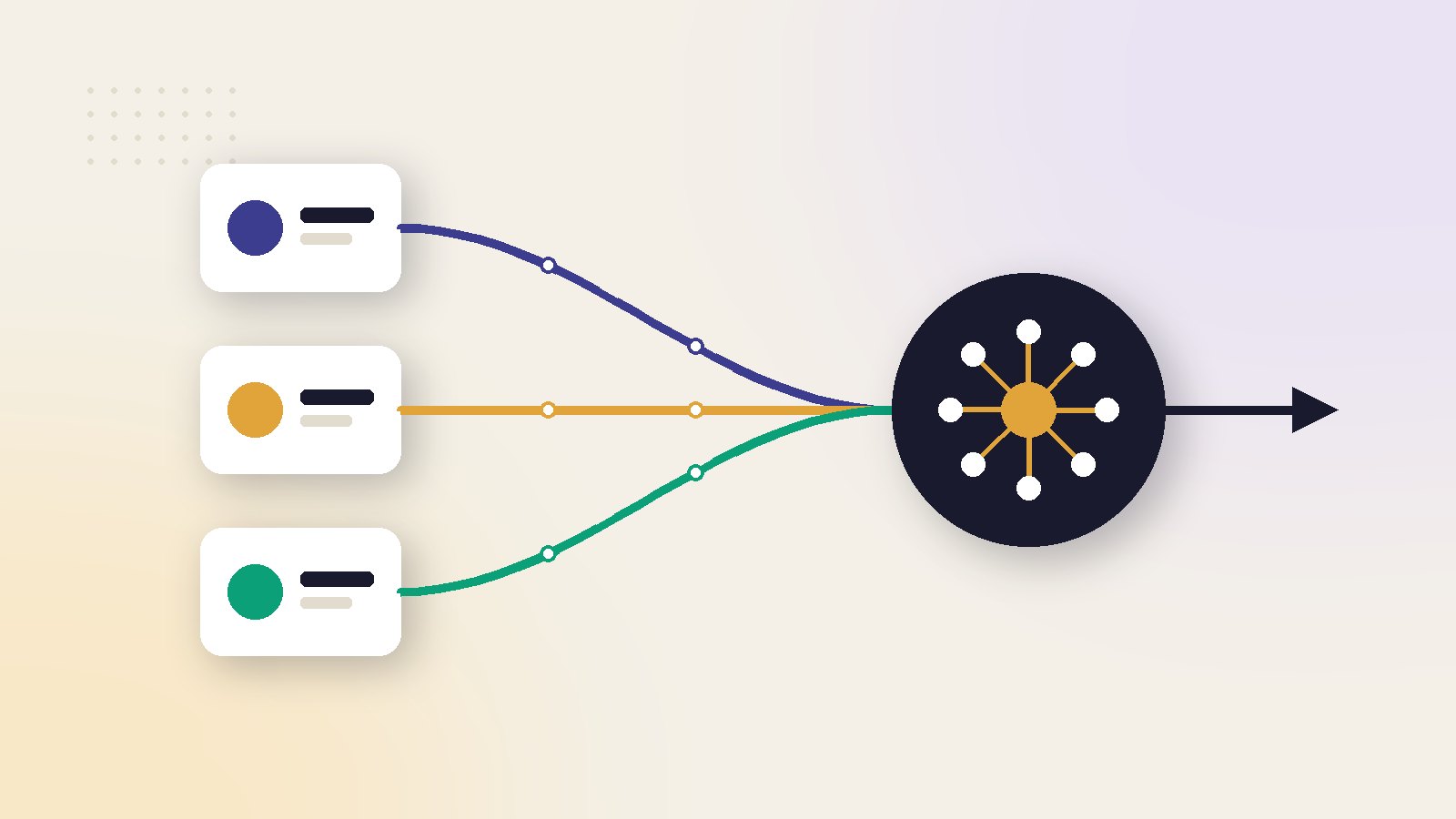
An AI marketing agency runs your ads or content using AI for repeated work, such as daily account checks, reports, creative variations and copy drafts, while people handle strategy, approvals and client communication. Good ones deliver more for the same fee. Judge them on results and transparency, not on how much AI they claim.
What an AI marketing agency is
An AI marketing agency is a service business that plans and runs marketing for clients, with AI doing a large share of the routine work. The client still buys an outcome, such as more profitable ad sales or more qualified leads, and a team that is accountable for it.
Three types you will meet
1. Traditional agencies that added AI
The structure is unchanged: account managers, media buyers, designers. AI tools speed up copywriting, design and reporting. Pricing usually stays the same; the benefit, if any, shows up as faster turnaround.
2. AI-first agencies
These were built around automation from the start. A small team manages many accounts because software checks every campaign daily, drafts reports and suggests changes. Fees are often lower or include more channels.
3. Platforms with a service layer
Software companies that run your ads through their own AI and add human support, setup help or strategy calls. You get the tool and some service, usually at a lower price than a full agency.
What it is not
It is not a chatbot that runs your marketing alone, and it is not a promise of results without your input. Someone still needs to agree the offer, approve claims, share stock and margin information and answer questions quickly. It is also not the same as buying an AI tool: with a tool, you do the thinking and the tool does the work; with an agency, you pay a team to do both and stay accountable.
Why the label is confusing
Many agencies now call themselves AI agencies. The useful question is not whether they use AI, but which jobs it does, which jobs people still do and whether that makes your results or price better. For how the agency model itself is changing, read our analysis of how AI is changing advertising agencies.
How the work gets done
Here is a typical month at a well-run AI-first agency managing Meta and Google ads for a D2C brand.
- Onboarding: access to ad accounts, store and analytics; a tracking audit; product margins and goals agreed.
- Daily monitoring by software: spend, results and errors checked across every campaign; alerts for anything outside agreed limits.
- Weekly changes by people: budget moves, new creative tests and pauses, approved by the account lead and logged.
- Creative production: people write briefs; designers, creators and AI tools make variations; a person checks every claim and image.
- Reporting: AI drafts the weekly report from live data; the account lead adds what it means and what happens next.
- Monthly review: results against profit targets, next month's plan and any change in scope.
What a client sees each week
A short report with spend, results, cost per new customer and profit against target; a list of changes made and why; next week's plan; and any decision needed from you, such as approving a new offer or a creative concept. If you only ever receive screenshots of platform dashboards, the reporting is not doing its job.
Where the platforms' own AI fits
Much of the media buying is already automated inside Meta and Google. Google, for example, reports that Performance Max advertisers see an average of 27% more conversions or value at a similar cost. A good agency's job is to feed that AI clean data, strong creative and sensible limits, not to fight it. Our complete guide to AI ads explains those inputs.
What the AI does and what people do
| Job | Done by AI | Done by people |
|---|---|---|
| Daily account checks | Yes, every campaign | Review alerts |
| Bids, audiences, placements | Mostly by Meta and Google AI | Set goals and limits |
| Report drafting | Yes | Explain and recommend |
| Creative variations and copy drafts | Yes | Brief, choose, approve |
| Offer and positioning | No | Yes, with the client |
| Tracking setup and audits | Partly | Yes |
| Client relationship | No | Yes |
Approvals matter
Meta's developer documentation on generative AI features says advertisers are responsible for previewing AI-generated creative before it is published. An agency using AI creative should have a person check every version for accuracy and brand fit.
Where people still make the difference
Choosing which product to push this month, spotting that a competitor cut prices, deciding a festive offer, briefing a creator in the brand's voice, and telling a founder plainly that the landing page, not the ads, is the problem. These are judgement calls. The best AI-first agencies free their people to spend more time on exactly these jobs.
A simple test
Ask the agency to show you one week of its process: what software flagged, what a person decided, and what changed in the account. If they cannot show it, the AI is probably marketing language rather than a real part of how they work.
What it costs: fee models and extras
There is no published standard price list for AI marketing agencies in India, so compare fee models and the total cost to you rather than headline numbers.
Common fee models
- Fixed monthly retainer: a set fee for agreed channels and services. Easy to budget; check what happens when spend grows.
- Percentage of ad spend: the fee rises with your budget. Simple, but it rewards spending more rather than spending better.
- Hybrid: a base retainer plus a smaller percentage above a spend level.
- Performance-based: fees tied to sales or leads. Rare and complex, because the agency does not control your product, price or stock.
Setup work
Many agencies charge separately for the first month's setup: tracking audits, server-side events, feed fixes and account restructuring. This work often pays back quickly because it improves what the platforms' AI learns from, so judge it on what it fixes rather than avoiding it.
What is usually extra
Ad spend itself and its GST, creator and shoot costs, paid tools billed to you, and one-time setup or tracking work.
Questions to ask about any quote
Which channels are included, and is Google charged separately? How many creatives per month? Are reports weekly or monthly? What is the notice period? Does the fee change automatically when ad spend grows? Who owns the creative files when you leave? Getting these answers in writing avoids most later disputes.
Compare with doing it yourself
An in-house performance marketer with three years of experience earns roughly ₹2.6 lakh to ₹12 lakh a year according to AmbitionBox data, before tools, employer costs and management time. Our comparison of AI tools and hiring a marketer shows how to put both on the same monthly basis.
A worked example: comparing two fee offers
The fees below are an example for illustration, not market rates.
Worked example: a brand spending ₹6 lakh a month on ads
The two offers
Agency A charges 12% of ad spend. Agency B, an AI-first agency, charges a fixed ₹45,000 a month for Meta and Google, including reporting and creative variations.
Cost at today's spend and after growth
At ₹6 lakh of spend, Agency A costs ₹72,000 and Agency B ₹45,000. If spend grows to ₹12 lakh, Agency A costs ₹1,44,000 while Agency B stays at ₹45,000 unless the scope changes.
Fee as % of spend = monthly fee ÷ monthly ad spend × 100
Agency A: 12% at any spend. Agency B: ₹45,000 ÷ ₹6,00,000 = 7.5% today, ₹45,000 ÷ ₹12,00,000 = 3.75% after growth.
The cheaper fee only matters if results are at least as good. Compare both on cost per new customer and profit after ad spend over a three-month trial period.
What else to compare
Response time when something breaks, who exactly works on your account, how many other accounts that person handles, and whether creative is included. Two offers with the same fee can differ a lot on these points, and they often decide results more than the fee model does.
Who should hire one, and who should not
Good fit
- Brands spending enough on ads that daily monitoring and steady creative testing pay back, often from about ₹1 lakh a month upward.
- Founders who want results and reporting without building a marketing team yet.
- Brands with a proven product and offer that need execution at scale.
Poor fit
- Brands still searching for a product people want; no agency can fix that with ads.
- Teams that want full control of every change; software or an in-house hire may suit better.
- Very small budgets where the fee would be a large share of spend.
If you are unsure, start with the cheapest option that gives you clear numbers every week, then move up when the weekly review shows that someone needs more time on the account than you can give it.
Signs you have outgrown your current setup
Reports arrive late or explain nothing. Creative tests stopped months ago. Nobody can say what the cost per new customer was last month. Budget changes happen without a reason. Any two of these suggest the work needs a different setup, whether that is an agency, a hire or a better tool.
The alternatives
An in-house marketer with AI tools, a traditional agency, or an AI ad platform you run yourself. Each suits a different stage; for the platform route, see our list of AI advertising platforms.
How to choose one: the short version
- Ask what the AI does, in specific jobs, and what people do.
- Ask who approves changes and how big a change can happen without your approval.
- Ask for a sample report and a sample change log from a current client, anonymised.
- Ask how they measure results: platform ROAS alone, or cost per new customer and profit from your store data.
- Check data ownership: ad accounts, pixels and data should stay in your name.
- Agree a trial period with clear targets and an easy exit.
Many of the same questions apply to software; see our 10 questions before buying an AI ad tool. Agencies that manage many clients use a similar tool stack to the one in our guide to AI tools for marketing agencies.
Running a fair trial
Agree a three-month trial with written targets, such as cost per new customer and profit after ad spend, measured from your store data. Share a baseline from the three months before. Give the agency the access and creative support it needs, then review honestly at the end. A month is usually too short, because campaigns need time to learn after a handover.
Never let an agency create ad accounts, pixels or Business Manager assets in its own name for your brand. If you part ways, your data must stay with you.
What most guides to AI agencies tend to get wrong
They judge agencies by how much AI they use
More automation is not better in itself. Judge by results, transparency and how well the agency combines AI with human judgement.
They compare fees without scope
A lower fee that excludes creative, reporting or Google is not cheaper. Compare the full scope and the total monthly cost.
They ignore the platforms' own AI
Meta and Google already automate most media buying. An agency's value now lies in data, creative, offer advice and accountability, not in manual bid changes.
They treat AI only as a cost cut
The biggest gain from AI is often not a lower fee but more testing, faster reporting and more time for strategy. An agency that uses AI to do more for you can be worth more than one that simply charges less.
ScaleWin, our product, is an AI platform with optional setup help for Meta and Google Ads, which makes it one of the three types described above. We have kept this guide general.
Read next in this series
- Red Flags When Hiring an AI Marketing Agency, Before and After You Sign
- How to Start an AI Marketing Agency in 2026: A Practical Plan
- AI Marketing Agency Pricing in India and the US (2026), in Rupees
- How to Choose an AI Marketing Agency: 10 Questions to Ask Before You Sign
- AI Marketing Agency vs AI Marketing Platform: Which Should You Choose?
- AI Marketing Agency vs Traditional Agency: An Honest Comparison
Key takeaways
- There are three types: traditional agencies that added AI, AI-first agencies built around automation, and software platforms with a service layer.
- AI should take over repeated work: monitoring, reporting, variations and drafts. People should keep strategy, approvals and accountability.
- Fees come as a monthly retainer, a percentage of ad spend, a hybrid, or rarely pure performance pricing.
- Compare an agency fee with the full cost of doing it yourself: a marketer's salary, tools and your own time.
- Ask what exactly the AI does, who approves changes and how results are reported before you sign.
Ai marketing agency: frequently asked questions
What is an AI marketing agency?
How is an AI marketing agency different from a traditional agency?
How much does an AI marketing agency cost in India?
Is an AI marketing agency better than hiring in-house?
What should I ask before hiring an AI marketing agency?
How long should an AI marketing agency trial last?
Who should own the ad accounts when working with an agency?
Can an AI marketing agency guarantee results?
Sources
- AmbitionBox: Performance Marketer salary in India
- Google Ads Help: Multiply conversions with Performance Max
- Meta for Developers: Generative AI features

Ajay is the founder of ScaleWin. He works hands-on with Meta Ads, Google Ads and SEO for Indian D2C and service brands, and built ScaleWin so that the daily work of a performance marketer - reading numbers, pausing losers, scaling winners - happens automatically.
Drafted with AI assistance. How these articles are written
Let ScaleWin read your ad data every day
ScaleWin checks your Meta and Google Ads daily, judges every ad on profit and tells you exactly what to change.
Start free, no card