Ajay Kumar
Quick answer: is an AI marketing agency better than a traditional agency?
An AI-first agency usually wins on speed, daily monitoring, reporting and cost per unit of work. A strong traditional agency can win on big creative ideas, brand campaigns and senior attention. For performance ads on Meta and Google, AI-first setups often fit better; for brand building, people-heavy teams still matter.
The real difference between the two
Both kinds of agency use some AI today. The difference is how the work is organised. For definitions and the three types of AI agency, start with our guide to what an AI marketing agency is.
Traditional agency
People do most of the checking, reporting, resizing and copy work. Each account manager handles a modest number of clients. Strengths are senior attention, relationships and large creative ideas.
AI-first agency
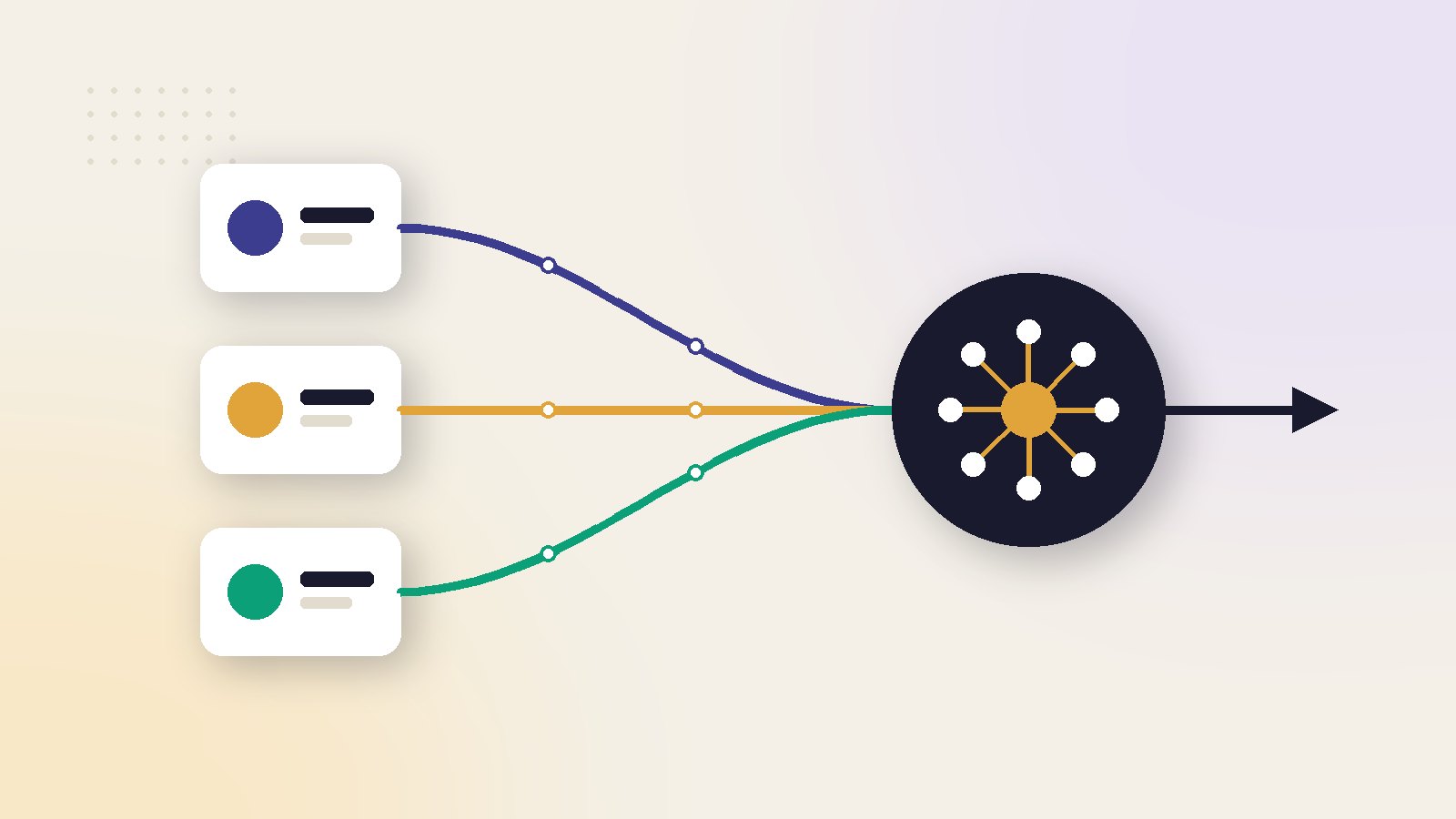
Software checks every campaign daily, drafts reports and produces variations. People focus on strategy, creative direction and approvals. Each person can handle more accounts, which can lower fees or add scope.
Why this matters now
Meta and Google already automate most bidding and targeting. Google reports that Performance Max advertisers see an average of 27% more conversions or value at a similar cost. The value an agency adds has shifted from manual buying to data, creative and judgement. For background, see how AI is changing the agency model.
Side-by-side comparison
| Factor | AI-first agency | Traditional agency |
|---|---|---|
| Daily monitoring | Every campaign, by software | Depends on staff time |
| Reporting | Frequent, partly automated | Usually weekly or monthly, manual |
| Creative volume | High, with AI variations | Lower, more crafted |
| Big brand ideas | Often weaker | Often stronger |
| Senior attention | Varies; small teams | Varies; can be high at good agencies |
| Fee level | Often lower for the same scope | Often higher |
| Main risk | Over-trusting automation | Slow reactions, high fees |
Read the table carefully
These are tendencies, not rules. A small traditional agency with a sharp founder can outperform an AI-first agency with weak processes, and the reverse. What matters most is the process behind the label: how often someone looks at your account, how fast they act, and whether they report in terms of your profit rather than the platform's numbers.
Cost: where the savings come from
People hours
Most agency cost is people. An experienced performance marketer in India earns roughly ₹4.2 lakh to ₹18 lakh a year at five years, according to AmbitionBox data. If software takes over hours of daily checking and reporting, the same person can serve more clients.
What does not get cheaper
Creative shoots, creator fees, strategy time and ad spend do not shrink because an agency uses AI. Be sceptical of quotes that look far below the market for the same scope.
Worked example: two quotes for the same brand
The brand
A home decor brand spends ₹4 lakh a month on Meta and Google. The fees below are illustrative.
The quotes
Traditional agency: ₹70,000 a month retainer, monthly report, 8 new creatives a month. AI-first agency: ₹45,000 a month, weekly report, 20 creatives a month including AI variations.
Fee per new creative = monthly fee ÷ creatives delivered
Traditional: ₹70,000 ÷ 8 = ₹8,750 per creative. AI-first: ₹45,000 ÷ 20 = ₹2,250 per creative.
The AI-first offer looks far cheaper per creative, but only if those creatives are good enough to test. Ask to see samples before deciding.
Creative and strategy: where people still win
AI is strong at variations: new crops, text versions, formats. It is weaker at the one idea that changes how people see a brand.
When traditional agencies earn their fee
- Launching a new brand or category that needs a clear story.
- Big campaigns across TV, outdoor and digital.
- Work with celebrities, large creators or complex shoots.
When AI-first agencies earn theirs
- Performance ads where many tests beat one perfect ad.
- Brands with proven products that need steady, measurable growth.
- Founders who want frequent, plain-language reporting.
Quality control
Meta's documentation on generative AI features says advertisers are responsible for previewing AI-generated creative before it runs. Ask any agency how a person checks every AI version before launch.
Risks on each side
AI-first agency risks
Trusting automation too much, thin teams that struggle when something unusual happens, and reports that look polished but miss context. Our article on whether AI can run your ads fully lists the limits to watch.
Traditional agency risks
Slower reactions to problems, fees that grow with ad spend whether results improve or not, and less frequent testing because each creative takes more hours.
Shared risks
Both can optimise for platform ROAS instead of profit, keep ad accounts in their own name, or lock you into long notice periods. Check all three before signing, and get the answers in the contract, not just in a sales call.
What switching from one to the other looks like
Before you switch
Make sure every ad account, pixel, catalogue and Business Manager asset is in your name, and download the last six months of reports and creative files. Agree a handover date with the outgoing agency and keep campaigns running during the change.
The first month
Expect a tracking audit, some restructuring and a short dip or wobble in results while campaigns re-learn after changes. A good new agency will explain each change and keep a written log.
Months two and three
This is where the comparison becomes fair. New creative tests are running, budgets have settled and you can compare cost per new customer and profit with the three months before the switch.
When not to switch
Avoid switching just before your biggest sales season. Moving accounts during a festive peak adds risk at the moment results matter most.
How to decide
- Name your main need for the next 12 months: brand building, performance growth, or both.
- Compare scope, not just price: channels, creative volume, reporting frequency, response time.
- Ask for evidence: anonymised reports, change logs and results from similar brands.
- Insist on ownership of ad accounts, pixels and creative files.
- Run a three-month trial with targets measured from your store data.
Some brands use a traditional or creative agency for brand campaigns and an AI-first team or platform for daily performance ads. The two can work well together if one owns the performance numbers.
Agencies of both kinds use similar tools; our guide to AI tools for marketing agencies shows the typical stack.
What most comparisons tend to get wrong
They assume AI means lower quality
For performance ads, more testing usually beats fewer, more polished ads. Quality depends on the people directing the AI.
They assume traditional means better strategy
Some traditional agencies still spend most hours on manual tasks the platforms now automate, leaving little time for real strategy.
They compare on ROAS screenshots
Ask both types for cost per new customer and profit after ad spend. Our comparison of automated and manual campaigns shows why platform ROAS alone can mislead.
ScaleWin, our product, is an AI platform for Meta and Google Ads, so it competes with both kinds of agency for some brands.
Read next in this series
- Red Flags When Hiring an AI Marketing Agency, Before and After You Sign
- How to Start an AI Marketing Agency in 2026: A Practical Plan
- AI Marketing Agency Pricing in India and the US (2026), in Rupees
- How to Choose an AI Marketing Agency: 10 Questions to Ask Before You Sign
- AI Marketing Agency vs AI Marketing Platform: Which Should You Choose?
Key takeaways
- AI-first agencies use software for monitoring, reporting and variations, so one person can handle more accounts.
- Traditional agencies spend more people hours per account, which helps big creative and brand work.
- Platforms already automate most media buying, so manual bid work is no longer a strength.
- Compare fee structures at today's spend and after growth, not just the headline price.
- Judge either type on cost per new customer, profit and transparency.
Ai marketing agency: frequently asked questions
Is an AI marketing agency cheaper than a traditional agency?
Are traditional agencies better at creative?
Which is better for Meta and Google ads?
What are the risks of an AI-first agency?
How long does it take to see results after switching agencies?
How should I compare two agency quotes?
Sources
- Google Ads Help: Multiply conversions with Performance Max
- Meta for Developers: Generative AI features
- AmbitionBox: Performance Marketer salary in India

Ajay is the founder of ScaleWin. He works hands-on with Meta Ads, Google Ads and SEO for Indian D2C and service brands, and built ScaleWin so that the daily work of a performance marketer - reading numbers, pausing losers, scaling winners - happens automatically.
Drafted with AI assistance. How these articles are written
Let ScaleWin read your ad data every day
ScaleWin checks your Meta and Google Ads daily, judges every ad on profit and tells you exactly what to change.
Start free, no card