Ajay Kumar
Quick answer: AI marketing agency or AI platform?
Choose a platform if someone on your team can spend a few hours a week reviewing results, approving changes and briefing creative; it costs far less. Choose an agency if nobody has that time or skill, or you need creative production and strategy too. Many brands start on a platform and add help as spend grows.
Agency or platform: the core difference
Both use AI to manage ads. The difference is who makes decisions and does the work. For the three types of AI agency, see our guide to what an AI marketing agency is.
An AI platform
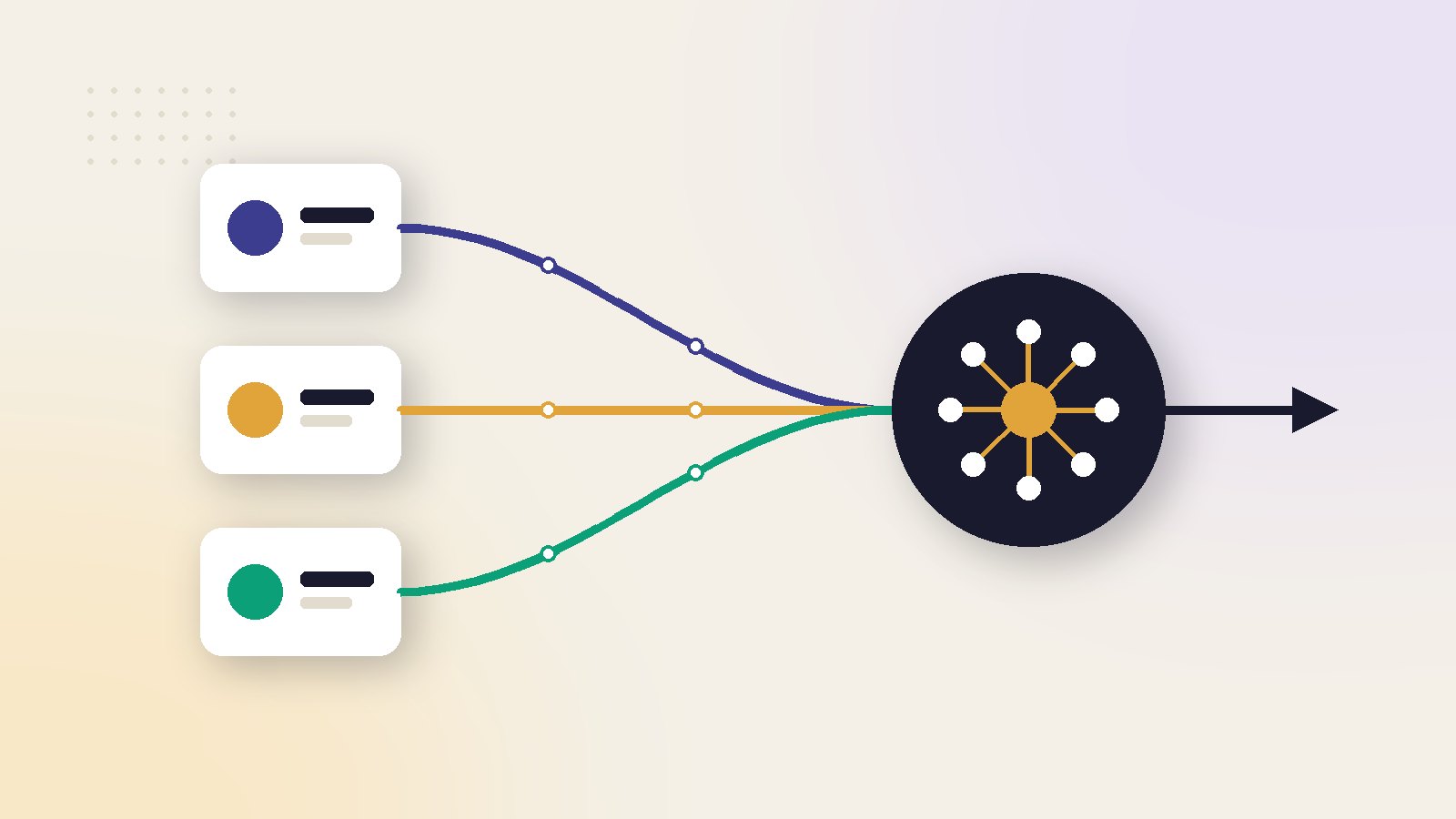
Software that connects to your ad accounts, checks them daily, suggests or automates changes and reports results. You set goals, approve changes, make creative and own the outcome.
An AI marketing agency
A team that uses similar software plus people. They decide what to change, produce or source creative, report to you and are accountable for results.
The middle ground
Some platforms add setup help or strategy calls, and some agencies give clients a dashboard. Look at who actually makes decisions week to week, and who answers when results drop. That person, inside your team or the agency's, is what you are really paying for.
Cost, control and time compared
| Factor | AI platform | AI marketing agency |
|---|---|---|
| Monthly cost | Low: software fee | Higher: software plus people |
| Your weekly time | A few hours | Under an hour of reviews |
| Control | Full; you approve everything | Shared; within agreed limits |
| Creative production | You or freelancers | Often included |
| Strategy | Yours, with software suggestions | Agency's, agreed with you |
| Speed to start | Same day | One to four weeks onboarding |
What the price lists show
Software prices are public. Madgicx lists Pro plans by monthly ad spend, starting at about ₹4,200 a month for accounts spending under roughly ₹93,000. Birch lists Essential at about ₹4,600 and Pro at about ₹9,200 a month for up to roughly ₹9 lakh of spend. Our list of AI advertising platforms compares more options.
A worked example: the full monthly cost
Worked example: a supplements brand at ₹3 lakh a month
Platform route
Software about ₹9,000 a month. The founder spends 5 hours a week, about 22 hours a month, on reviews and briefs, valued at ₹1,000 an hour. A freelance designer costs ₹15,000 a month.
Agency route
An AI-first agency quotes an illustrative ₹45,000 a month including creative and weekly reports. The founder spends 1 hour a week on reviews.
Full monthly cost = cash fees + your hours × value of one hour
Platform: ₹9,000 + ₹15,000 + 22 × ₹1,000 = ₹46,000. Agency: ₹45,000 + 4 × ₹1,000 = ₹49,000.
The two are close. The real question becomes whether the founder's hours are better spent on ads or on product and sales, and which route produces better results. Run the numbers for your own brand before deciding.
When a platform is the better choice
- Someone in the team understands ads and can give a few hours a week.
- You want full control and to learn how your ads really work.
- Budget is modest, so an agency fee would be a large share of spend.
- You already have a creative source: in-house, freelancers or creators.
Platforms also suit brands that want to try AI management before committing to a monthly agency fee, because most can be started and stopped quickly.
Setting it up in a week
Day one, connect ad accounts and check purchase tracking. Day two, enter product costs so the software can judge profit. Days three to five, review its first suggestions without applying them, to learn how it thinks. From the second week, approve changes once a week on a fixed day and keep a short log of what you changed.
What to look for
Rules tied to your real margins, a clear reason for every suggestion, approval steps for large changes, and reports in terms of profit, not only platform ROAS. Use our 10 questions before buying an AI ad tool as a checklist.
When an agency is the better choice
- Nobody in the team has the time or skill to manage ads weekly.
- You need creative production and strategy, not only optimisation.
- Spend is large enough that expert attention pays back quickly.
- You want one accountable team across Meta, Google and creative.
What to look for in an agency
A named account lead, a clear limit on changes made without your approval, weekly reports in terms of cost per new customer and profit, creative included or clearly priced, and ad accounts kept in your name.
Compare with hiring
The other option is a marketer who runs a platform. A performance marketer with three years of experience earns roughly ₹2.6 lakh to ₹12 lakh a year according to AmbitionBox. Our guide on AI tools versus hiring a marketer works through that maths.
Five questions to ask yourself first
1. Who will look at the ads every week?
Name the person and the hours. If the honest answer is nobody, a platform will produce alerts that no one acts on.
2. Where will new creative come from?
Ads tire. Somebody must brief and produce two or three new angles a week. If you have no designer, creator or editor, an agency that includes creative may be worth the higher fee.
3. How much control do you want?
Some founders want to approve every budget change; others want results and a weekly summary. Platforms suit the first, agencies the second.
4. How fast is spend growing?
Fees that scale with spend can grow quickly. Fixed software fees stay flat, which matters more as budgets rise.
5. Do you want to learn the skill?
Running a platform teaches you how your ads really work. That knowledge stays with the brand even if you later hire or switch to an agency.
A common growth path
- Early stage: the founder runs ads with a platform and the free AI inside Meta and Google.
- Growing: add a freelancer or agency for creative, keep the platform for daily checks.
- Scaling: hire a marketer or move to an agency that owns results, still using software for monitoring.
Whichever route you take, ad accounts, pixels and creative files should stay in your name so you can switch later without losing history.
For a direct comparison of agency types, see AI-first versus traditional agencies.
What most comparisons tend to get wrong
They compare the software fee with the agency fee
A platform's real cost includes your time and creative. Add them before comparing, using a realistic value for each hour.
They assume platforms run themselves
Software suggests and automates, but someone must approve, brief creative and act on alerts.
They assume agencies remove all work
You still need to share margins, stock and offers, approve creative and review results.
ScaleWin, our product, is an AI platform for Meta and Google Ads with optional setup help. The comparison above applies to any platform.
Read next in this series
Key takeaways
- Platforms are software you run: they monitor, suggest and automate, but you decide.
- Agencies sell people plus software: they decide and execute, and you approve.
- AI ad platforms list prices from a few thousand rupees a month; agencies cost more because you pay for people.
- The hidden cost of a platform is your own time; the hidden cost of an agency is less control.
- Pick by the weekly hours you can give and the creative help you need.
Ai marketing agency: frequently asked questions
What is the difference between an AI marketing agency and an AI platform?
Is an AI platform cheaper than an agency?
Can a small brand use an AI platform without experience?
When should I move from a platform to an agency?
How many hours a week does an AI ad platform need?
Do agencies use AI platforms too?
Sources
- Madgicx: pricing
- Birch (formerly Revealbot): pricing
- AmbitionBox: Performance Marketer salary in India

Ajay is the founder of ScaleWin. He works hands-on with Meta Ads, Google Ads and SEO for Indian D2C and service brands, and built ScaleWin so that the daily work of a performance marketer - reading numbers, pausing losers, scaling winners - happens automatically.
Drafted with AI assistance. How these articles are written
Let ScaleWin read your ad data every day
ScaleWin checks your Meta and Google Ads daily, judges every ad on profit and tells you exactly what to change.
Start free, no card