Ajay Kumar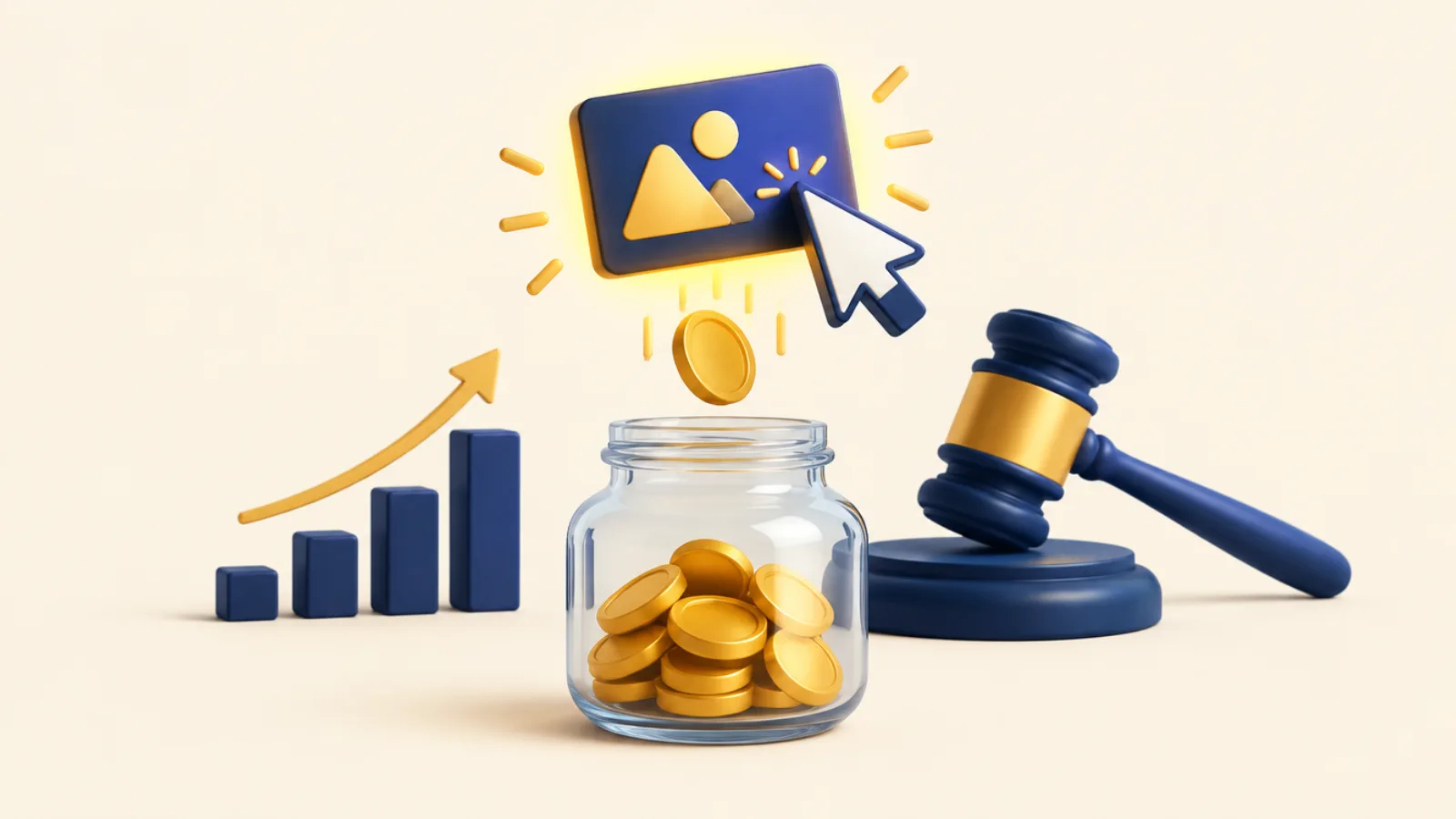
Quick answer: what is PPC?
PPC (pay-per-click) is a form of online advertising where you pay only when someone clicks your ad. The best-known example is Google Ads: you bid on keywords, and when someone searches them, an instant auction decides which ads show and in what order - based on your bid and the quality of your ad. Other PPC platforms include Microsoft Ads, Meta, Amazon and Flipkart ads.
If you have ever searched for something on Google and seen results marked "Sponsored" at the top, you have seen PPC in action. Somebody paid for that spot - but only gets charged if you click.
PPC is one of the fastest ways to bring customers to a business, and also one of the fastest ways to waste money if you don't understand how it works. At ₹10 lakh to ₹1 crore a month in spend, small leaks add up fast. This guide covers the mechanics every founder, marketing head and agency team should share.
What is PPC advertising?
PPC stands for pay-per-click. Instead of paying a fixed fee for an ad to be displayed, you pay each time someone clicks it. If nobody clicks, you pay nothing for that impression.
The term is used two ways: narrowly, for click-priced ads like Google Search ads; and broadly, for all paid digital advertising that runs on auctions - including Meta ads that are priced per thousand impressions but optimised for clicks, leads or sales.
How does PPC work? The ad auction explained
Every time someone searches on Google, an auction happens in a fraction of a second. Google decides which ads to show and in what order. The winner is not simply the highest bidder.
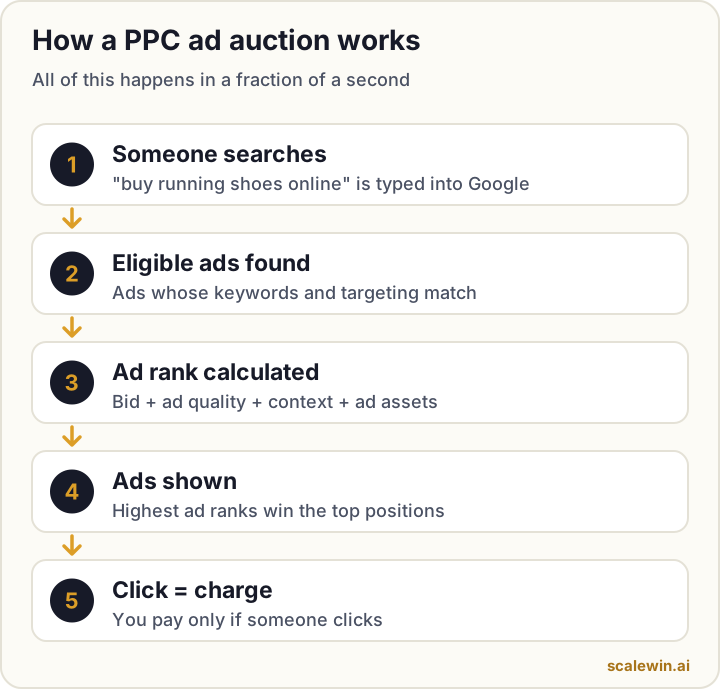
What decides who wins
- Your bid - the most you are willing to pay for a click (often set automatically by smart bidding).
- Ad quality - how relevant your ad is, how likely people are to click, and how good your landing page is.
- Context - the searcher's location, device, time and the search itself.
- Ad assets - sitelinks, callouts and other extras that make your ad more useful.
Why quality matters more than money
A relevant, high-quality ad can beat a bigger bid and often pays less per click. That is why the ad, keyword and landing page should all talk about exactly the same thing. Our guide to Google Ads Quality Score covers this in detail.
The main PPC platforms
| Platform | Where ads appear | Best for |
|---|---|---|
| Google Ads | Google Search, Shopping, YouTube, Maps, Gmail, partner sites | Capturing people searching to buy |
| Meta Ads | Facebook, Instagram, Messenger, WhatsApp click-to-chat | Creating demand, D2C, lead forms |
| Microsoft Ads | Bing, Yahoo, Microsoft properties | Extra search reach, B2B on desktop |
| Amazon / Flipkart Ads | Inside the marketplace | Sellers on those marketplaces (Flipkart in India) |
| LinkedIn Ads | LinkedIn feed and inbox | B2B and recruitment |
PPC pricing models
- CPC (cost per click) - you pay per click. Standard for search ads.
- CPM (cost per thousand impressions) - you pay per 1,000 views. Common on Meta and display.
- CPA (cost per action) - you set a target cost per sale or lead and the platform bids to hit it.
- CPV (cost per view) - for video ads on YouTube.
All the metrics behind these models - CTR, CPA, ROAS and more - are explained with formulas in our guide to PPC metrics.
PPC vs SEO: what's the difference?
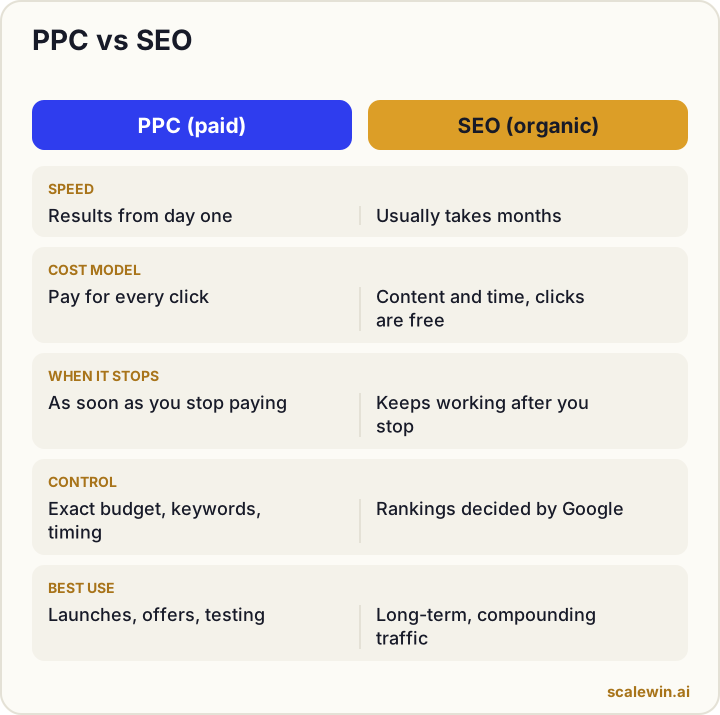
When PPC wins
You need customers this month, you are launching something new, or you want to test which messages and keywords convert before investing in content.
When SEO wins
You want traffic that keeps coming without paying per click, and you can wait a few months for rankings to build.
Pros and cons of PPC
| Pros | Cons |
|---|---|
| Results from day one | Traffic stops when spend stops |
| Precise control of budget and targeting | Competitive keywords can be expensive |
| Every rupee is measurable | Easy to waste money without tracking |
| Great for testing offers and messages | Needs regular monitoring |
How to start with PPC: a 5-step checklist
- Set up conversion tracking so you know which clicks become customers.
- Know your break-even - the most you can pay per sale. Use our break-even ROAS calculator.
- Launch each new campaign narrow - 10-30 high-intent keywords in one Search campaign, then expand once cost per sale holds.
- Add negative keywords every week from the search terms report (here's how).
- Judge by cost per sale, not clicks, and scale only what is below break-even.
PPC glossary for your team
Five PPC terms you will see every day
- Keyword - the search phrase you bid on.
- Search term - what the person actually typed.
- Ad rank - the score that decides your ad's position.
- Impression - one showing of your ad.
- Conversion - the action you want: a sale, lead or call.
Where to go next
Once your campaigns are live, track the numbers that matter in our guide to CPC, CPM, CTR, CPA and ROAS, and see Google Ads vs Facebook Ads to decide where to spend.
Key takeaways
- PPC means you pay when someone clicks your ad, not when it is shown.
- Every search triggers an auction that weighs your bid and your ad quality.
- Google Ads is the biggest PPC platform, but not the only one.
- PPC gives instant traffic; SEO builds free traffic over time - use both.
- Success comes from conversion tracking, negative keywords and judging results by cost per sale.
PPC advertising: frequently asked questions
What does PPC stand for?
Is PPC the same as Google Ads?
How much does PPC cost?
Is PPC better than SEO?
Can my team run PPC in-house?

Ajay is the founder of ScaleWin. He works hands-on with Meta Ads, Google Ads and SEO for Indian D2C and service brands, and built ScaleWin so that the daily work of a performance marketer - reading numbers, pausing losers, scaling winners - happens automatically.
Drafted with AI assistance. How these articles are written
Let ScaleWin run your PPC
ScaleWin manages your Google Ads and Meta campaigns daily - bids, budgets, negative keywords - so every rupee works harder.
Start your 3-day free trial