Ajay Kumar
Quick answer: which AI marketing tools improve ROAS?
The tools that move ROAS change one of four things: the conversion data the ad platforms learn from, the ads people see, how budget is split, or how many visitors buy. Fix tracking first, then use the platforms' own AI, refresh creative, control budget and improve the store. Always check the result against profit, not ROAS alone.
The four levers that move ROAS
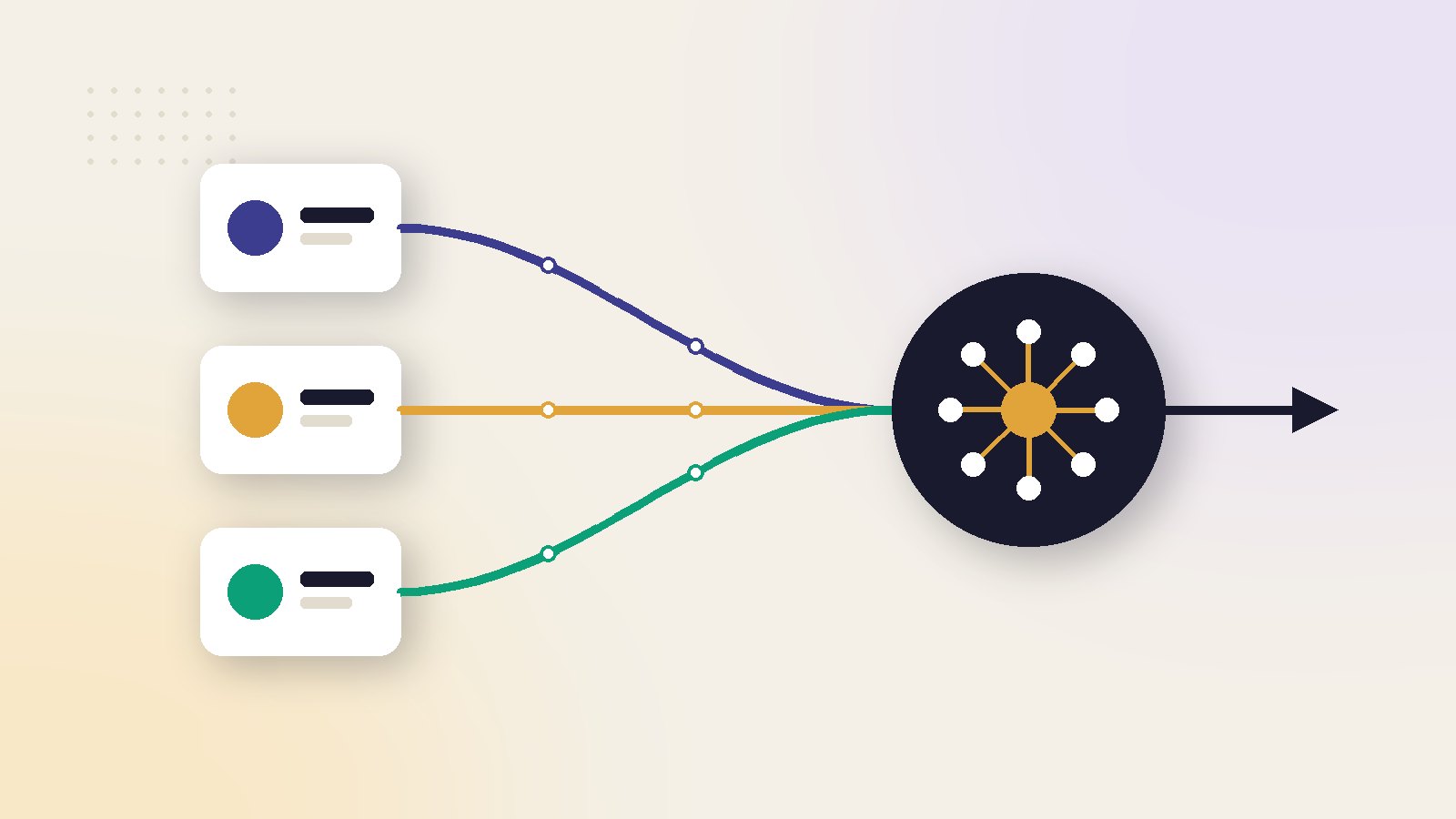
ROAS is revenue from ads divided by ad spend. Any tool that claims to raise it has to change at least one of four things:
- Data: the conversions and values the ad platform learns from.
- Ads: the creative and message each person sees.
- Budget: how money is split between campaigns, audiences and channels.
- Post-click: how many visitors who land on your store actually buy.
Ask any vendor which lever their tool pulls. If the answer is "it gives you better insights", it pulls none by itself; someone still has to act. For the broader market, see our ranked list of AI marketing tools.
We have not run controlled tests of each tool for this article. We explain which lever each type of tool pulls, based on the vendors' and ad platforms' own documentation, so you can test it on your account.
Tool types matched to the lever they pull
Use this table to see what each kind of tool can change, when it helps and what to watch for before you pay.
| Tool type | Lever | Helps when | Watch out for |
|---|---|---|---|
| Tracking setup (CAPI, enhanced conversions) | Data | Platforms miss or double-count purchases | Duplicate events if deduplication is wrong |
| Meta Advantage+ | Ads and budget | Targeting is too narrow or manual | Optimises for value you send, not margin |
| Performance Max | Ads and budget | You want reach across all Google inventory | Little detail on where money went |
| AI creative tools | Ads | Ads tire within weeks | Claims and product images need human checks |
| AI ad managers | Budget | Money sits on losing ad sets for days | Pricing that grows with ad spend |
| Reviews and store chat | Post-click | Visitors land but do not buy | Too many apps slowing the store |
| Reporting dashboards | None on its own | Someone acts on what it shows | Paying for charts nobody reads |
Most stores need help on one or two levers at a time, not all four. Spending on the wrong lever is the most common way an AI tool fails to pay back, even when the tool itself works well.
How to spot your weakest lever
Compare three numbers from last month: the share of store orders your ad platforms report, your ads' click-through rate trend, and your checkout completion rate. A big gap in the first points to data, a falling second to creative, and a low third to the store.
Lever 1: better conversion data
Ad platform AI learns from the purchases you report. Missing or wrong purchases make every other tool worse, so fix this first. It usually costs nothing but setup time.
Meta Conversions API
Meta's Conversions API best practices recommend sending events from both the browser pixel and your server, with deduplication so each purchase counts once. Meta's Event Match Quality score, from 0 to 10, shows how well your events match Meta accounts.
Google enhanced conversions
Enhanced conversions send hashed first-party data, such as an email address, with each conversion so Google can match more of them.
What to check
Place a test order and confirm one purchase with the right value in both platforms. For the full setup, read our guide to what AI needs from your pixel, CAPI and store.
Lever 2: the platforms' own AI
Meta Advantage+
Advantage+ lets Meta choose audiences, placements and budget split, and can adapt creative for each viewer. It is free inside Ads Manager.
Google Performance Max
Performance Max is a goal-based campaign that reaches all Google inventory, including Search, YouTube and Display, from one campaign.
The catch
Both optimise for the conversion value you send. If you send revenue, they chase revenue, including low-margin products and cash-on-delivery orders that never arrive. Sending a value closer to profit, or excluding low-margin products, points their AI at what you actually want.
Give them time
Meta says an ad set needs about 50 results in the week after its last significant edit to leave the learning phase. Frequent edits restart it. See how to exit the learning phase faster.
Levers 3 and 4: creative, budget and post-click tools
Creative tools
AI design and video tools help when ads tire: frequency rises and click-through rate falls week after week. They make more variations to test. They do not fix a weak offer or a slow store.
Budget and ad managers
AI ad managers read your accounts daily, pause ads that lose money and move budget to winners. They help most when money sits on poor ad sets for days because nobody checked. We compare the main options in best AI advertising platforms.
Post-click tools
Review apps, AI store chat and checkout fixes raise the share of visitors who buy. That lifts ROAS without changing a single ad. If many shoppers reach checkout but few finish, fix that before you spend more on ads.
Which lever first?
Look at last month. If tracking is broken, fix data. If ads are fatigued, add creative. If budget sat on losers, add budget control. If checkout conversion is low, fix the store.
Check every ROAS gain against profit
A tool can raise ROAS and lower profit, for example by shifting spend to cheap, low-margin products. So judge every change against your break-even ROAS.
Worked example: a skincare brand
The margin
Average order ₹1,200. Product cost ₹300, shipping ₹90, payment and GST ₹210, returns and failed COD ₹120. That leaves ₹480, a 40% margin before ad cost.
Break-even ROAS
Break-even ROAS = 1 ÷ margin before ad cost
1 ÷ 0.40 = 2.5. Any campaign below 2.5 ROAS loses money on each order.
A tool that lifts ROAS from 2.2 to 2.8 turns losses into profit. One that lifts it from 4.0 to 4.4 by pushing a 20% margin product may earn less overall. Check the product mix, not just the ratio.
We explain the full method in measuring profit, not platform ROAS.
What most ROAS tool lists get wrong
They promise a number
No tool can promise a ROAS gain without knowing your account. Results depend on data quality, offer, margin and budget.
They skip tracking
Paying for an AI optimiser while the pixel misses a third of purchases means the AI learns from wrong data.
They treat ROAS as the goal
ROAS is a ratio. Profit is the goal. Before you buy anything, run it through our 12-point buyer checklist.
Tracking, then platform AI, then creative or budget tools, then the store. Measure each step for two to four weeks before adding the next.
Read next in this series
- AI Marketing Tools vs Hiring a Marketer: What Each Costs and What Each Delivers
- Best AI Marketing Tools in 2026: 25 Tools Ranked for D2C Brands
- AI Marketing Tools for Growing Brands: What's Worth Paying For
- Free vs Paid AI Marketing Tools: Where Free Tools Fall Short
- AI Tools for Marketing Teams: A Stack From Ads to Analytics
- AI Marketing Tools for Shopify Stores: The Complete List for 2026
- How to Choose an AI Marketing Tool: A 12-Point Buyer Checklist
- AI Marketing Tools for Indian Brands (With Rupee Pricing, November 2026)
- AI Tools for Marketing Agencies: How to Manage 10+ Clients Faster
Key takeaways
- Better conversion data is the cheapest ROAS gain: set up Meta Conversions API and Google enhanced conversions first.
- Meta Advantage+ and Google Performance Max are free and strong, but they optimise for the value you send them.
- Creative tools help when ads tire, and budget tools help when money sits on losers. Know which problem you have.
- Post-click tools such as reviews and store chat can lift ROAS without touching the ads.
- Higher ROAS can still mean lower profit. Measure against break-even ROAS from your real margin.
Ai marketing tools: frequently asked questions
Can AI tools really improve ROAS?
What is the cheapest way to improve ROAS with AI?
Do Advantage+ and Performance Max improve ROAS?
What is break-even ROAS?
How long before an AI tool shows a ROAS change?
Should I trust a tool that promises a set ROAS increase?
Sources
- Meta Business Help: Conversions API best practices
- Meta Business Help: About Event Match Quality
- Meta Business Help: About the learning phase
- Google Ads Help: About enhanced conversions
- Google Ads Help: About Performance Max campaigns

Ajay is the founder of ScaleWin. He works hands-on with Meta Ads, Google Ads and SEO for Indian D2C and service brands, and built ScaleWin so that the daily work of a performance marketer - reading numbers, pausing losers, scaling winners - happens automatically.
Drafted with AI assistance. How these articles are written
Let ScaleWin read your ad data every day
ScaleWin checks your Meta and Google Ads daily, judges every ad on profit and tells you exactly what to change.
Start free, no card