Ajay Kumar
Quick answer: should you use broad or interest targeting in 2026?
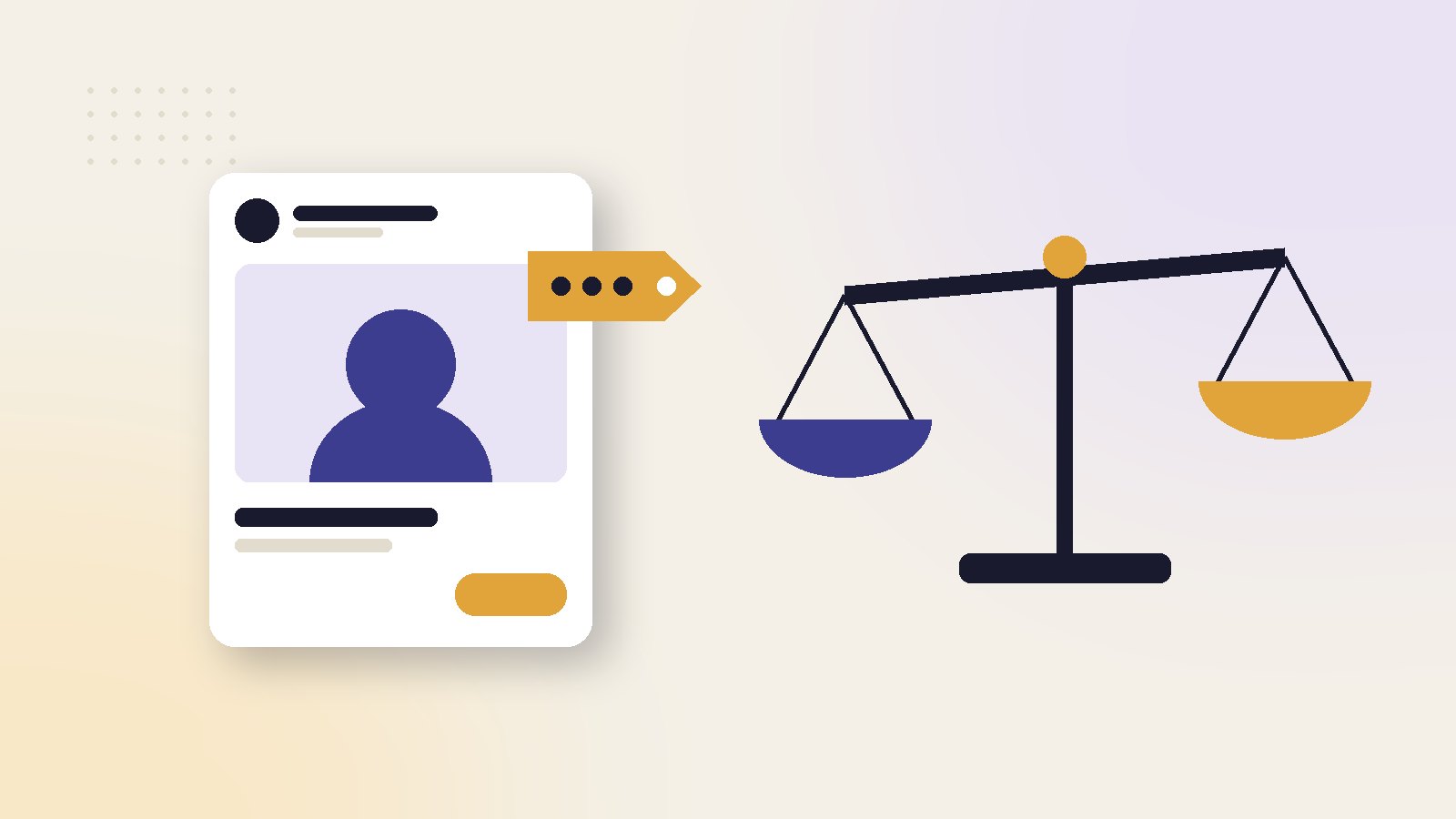
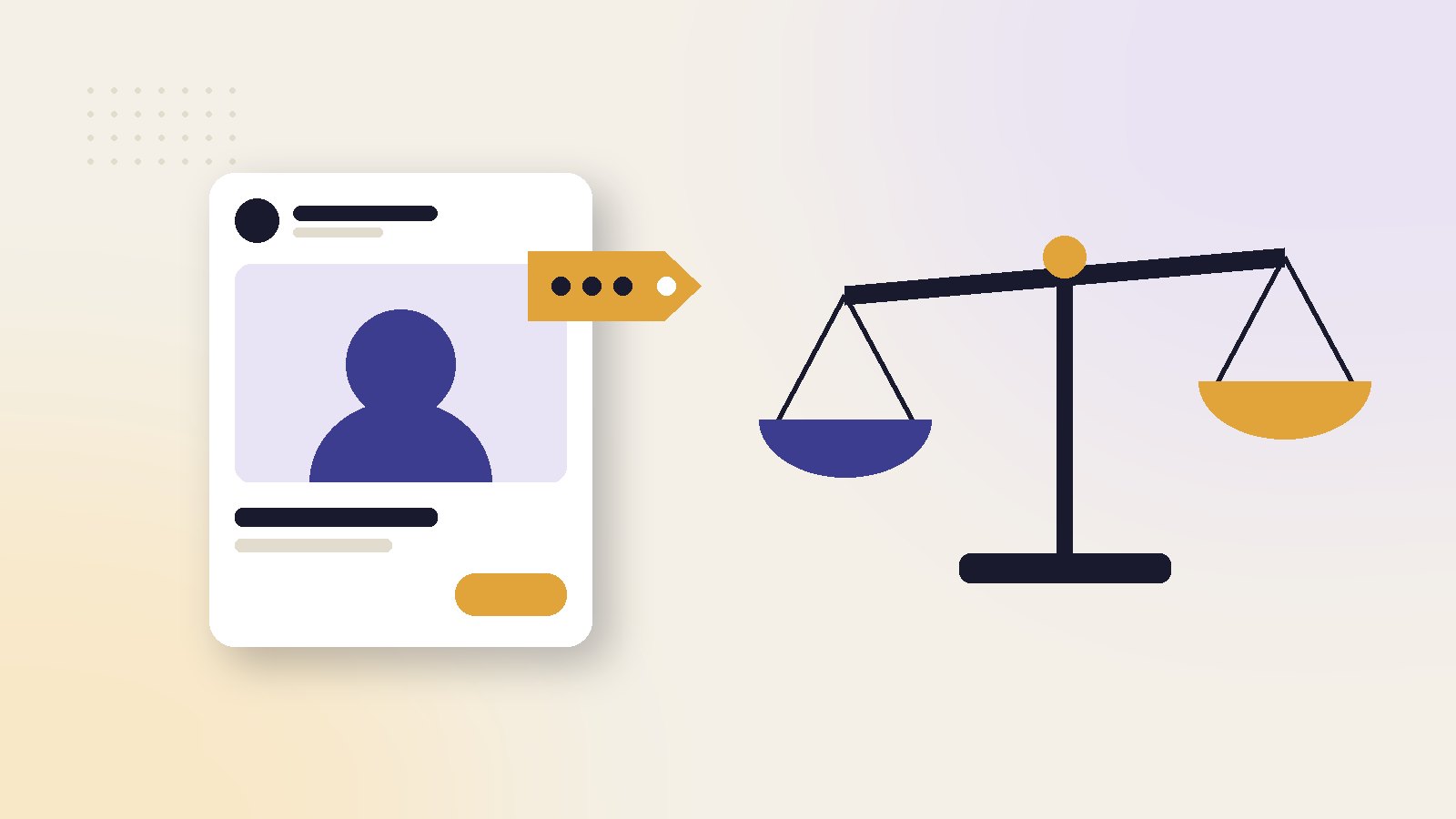
For most accounts with steady purchase data, start broad and let creative do the targeting. Meta can expand interest choices when it predicts better results, but location, age, gender and exclusions stay fixed. Interests still help new accounts with little data, niche products and tests. Run both side by side and judge cost per new customer.
What changed in Meta targeting
A few years ago, a good media buyer's edge was finding the right interest stack. Meta's AI now decides most of who sees an ad. For how the auction itself works, read how AI ads work on Meta and Google.
Interests became suggestions
Meta's January 2024 update said Advantage detailed targeting reaches a broader group than an advertiser's detailed targeting selections when the system predicts better performance. For link click and landing page view goals it was applied automatically, with no option to turn it off.
Some settings stay fixed
Meta's developer documentation on Advantage targeting says it may expand some targeting options when that increases results at a lower cost per result, but expanding them does not change your location, demographic targeting such as age or gender, or exclusions.
What this means
Think of your setup in two parts. Hard rules: where you sell, who is legally allowed to buy, and who you exclude. Hints: interests and lookalikes that tell the AI where to start.
Broad and interest targeting compared
| Factor | Broad targeting | Interest targeting |
|---|---|---|
| Who the AI can reach | Everyone in your location and age range | Starts with interests, may expand |
| Needs conversion history | Yes, works best with steady purchases | Less, gives the AI a starting point |
| Role of creative | Creative decides who responds | Creative still matters most |
| Best for | Scaling proven products | New accounts, niche products, tests |
| Main risk | Slow start with no data | Paying for narrow reach that the AI widens anyway |
Why broad often wins once data exists
The AI sees signals no interest list captures: what people recently watched, clicked and bought. With enough purchases to learn from, it usually finds buyers faster than a hand-built interest stack.
What about lookalike audiences?
Lookalikes work the same way now. Meta's Advantage targeting documentation lists lookalike expansion alongside detailed targeting, so a lookalike is also a starting hint the AI can widen. A good lookalike of your best customers still gives a new campaign a useful head start, but it is no longer a fence.
Why interests still help early
A brand-new account has no purchase history for the AI to learn from. An interest list gives it a sensible starting audience while the first conversions come in.
Your creative is now your targeting
When the audience is broad, the ad itself tells the AI who it is for. A video about back pain for desk workers reaches desk workers with back pain. A video about gifting reaches gift buyers.
Plan angles for each buyer type
List your two or three main buyer types and make at least one creative for each. Speak to their problem in the first three seconds, in their words.
Check who you are actually reaching
Look at the age, gender and placement breakdown of purchases each week. If results skew away from the people you planned for, the creative is speaking to someone else.
One example
A kitchenware brand ran broad with only recipe videos and reached mostly home cooks over 45. Adding a "first apartment" angle brought in younger buyers without touching targeting settings. The lesson is to change the message before changing the audience: it is faster, it does not restart learning, and it often fixes the problem on its own.
When interest targeting still makes sense
- New ad account or new pixel with fewer than a few dozen purchases.
- Very niche products, such as equipment for a specific sport or profession, where broad delivery wastes early budget.
- Clear-cut tests of a new market, where you want a controlled first read.
- Lead or awareness goals where Meta's automatic expansion rules differ, so check what your objective allows.
Exclusions are not expanded, so use them: exclude recent buyers from prospecting, and exclude employees or test audiences where possible.
How to test broad against interests
Worked example: a fitness apparel brand
The setup
Two ad sets in one campaign, ₹35,000 a week each, the same five creatives. Ad set A is broad: India, ages 18 to 45. Ad set B uses an interest stack: gyms, running, yoga.
After three weeks
Broad: 96 purchases, 62 from new customers. Interests: 81 purchases, 60 from new customers.
Cost per new customer = spend ÷ new customers
Broad: ₹1,05,000 ÷ 62 = about ₹1,694. Interests: ₹1,05,000 ÷ 60 = ₹1,750.
Broad wins slightly on cost per new customer and clearly on total purchases, so the brand moves most budget to broad and keeps a small interest ad set for a new product line.
Rules for a fair test
Same creatives, same budget, same optimisation goal, at least two to three weeks and no edits. Meta says ad sets need about 50 results in a week to leave learning, so make sure both can get there.
A simple targeting setup for 2026
Prospecting
One broad ad set or campaign with your location, age range and exclusions, plus four to six different creative angles. Add interests only as hints if your account is new.
Existing customers
Cap or exclude them in prospecting so you can see real new demand, and reach them with a separate retargeting or catalogue campaign.
The same idea on Google
Google works on the same principle. Audience signals in Performance Max, such as your customer list or people who searched for your brand, show the AI where to start, and the campaign can then find converting people beyond them. Search keywords remain the strongest signal of intent, which is why Search on brand and product terms stays useful next to automated campaigns.
Review monthly
Check new customer share and the breakdown of who is buying. Adjust creative angles first, settings second, and write each change in a simple log with the date. For the full launch plan, see our complete guide to AI ads, and for budget sizing, our guide to setting an AI ads budget.
What most targeting guides tend to get wrong
"Interests are dead"
They are weaker as hard limits, not useless. New accounts and niche products still benefit from a starting point.
"Broad means no settings at all"
Location, age, gender and exclusions are still yours, and they are not expanded. Set them carefully.
"Targeting is the main lever"
For most accounts today, creative angles and conversion data move results far more than audience settings. Our comparison of AI ads and manual campaigns shows how to judge the difference.
Meta updates which goals allow expansion to be switched off. Check the current options in Ads Manager for your objective before you plan a test.
Read next in this series
Key takeaways
- Meta can expand detailed targeting beyond your interests when it predicts better results at a lower cost per result.
- Location, age, gender and exclusions are not changed by that expansion.
- With conversion history and varied creative, broad targeting usually matches or beats interest stacks.
- Interests still help new accounts, niche products and early tests.
- Your creative now does most of the targeting, so plan angles for the people you want.
Ai ads: frequently asked questions
Is broad targeting better than interest targeting on Meta?
Does Meta ignore my interest targeting?
Can I turn off Advantage detailed targeting?
How do I target the right people with broad audiences?
Do lookalike audiences still work?
How should I test broad against interest targeting?
Sources
- Meta for Developers: Advantage targeting
- Meta for Developers blog: Expanding the availability of Advantage detailed targeting (Jan 2024)
- Meta Business Help: About the learning phase

Ajay is the founder of ScaleWin. He works hands-on with Meta Ads, Google Ads and SEO for Indian D2C and service brands, and built ScaleWin so that the daily work of a performance marketer - reading numbers, pausing losers, scaling winners - happens automatically.
Drafted with AI assistance. How these articles are written
Let ScaleWin read your ad data every day
ScaleWin checks your Meta and Google Ads daily, judges every ad on profit and tells you exactly what to change.
Start free, no card